Traveling to Italy is more than checking off world-famous landmarks and indulging in pasta perfection, it’s also about embracing the rhythm of Italian life. Mastering a few simple Italian travel etiquette tips can elevate your experience from tourist to honorary local.
Traveling in Italy is a joy when you embrace the small cultural nuances that shape everyday life. Smile, greet people, dress with a touch of elegance, savor your meals slowly, and immerse yourself in the vibrant local traditions. Here’s your essential guide to Italy travel etiquette, crafted to help international visitors explore the country with confidence and style.

Understanding social etiquette in Italy: greetings and personal space
Italians value warmth in their interactions. A simple “Buongiorno” (good morning) or “Buonasera” (good evening) goes a long way, whether you’re entering a shop or meeting your hotel host. While friends and family often greet each other with two cheek kisses, don’t initiate this unless the other person leans in first. For most encounters—especially with strangers—handshakes and smiles are perfectly appropriate.
Dining and tipping etiquette
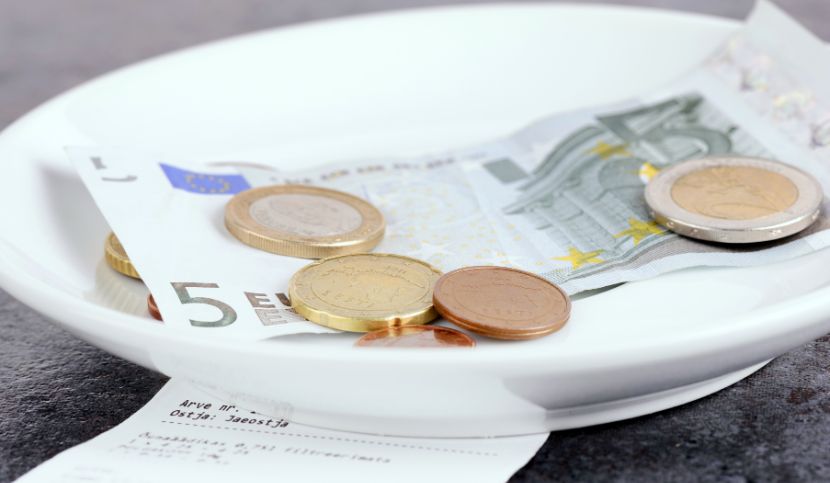
Italian dining is a cherished, unhurried event. Slow down and savor it! Tipping in Italy is not mandatory or expected as it is in some other countries like the US. Italian wait staff are paid a proper wage.
The coperto: this is a fixed, per-person cover charge for bread, use of tableware, and linen. It is common and is not a tip. The so called servizio: If you see “servizio incluso” (literally service included) on your bill, a service charge (usually 10-15%) has already been added, and no further tip is needed. Leaving a Tip: if the service was exceptional and no servizio was added, leaving a small, cash tip is a kind gesture. Rounding up the bill to the nearest Euro, or leaving €1-€5 cash on the table, not on the credit card, is a generous and appropriate sign of appreciation.

Italian travel etiquette: Food and Drink Rules
At open-air markets, do not touch the fruit or vegetables, ask the vendor to select your items for you, or wait for them to provide you with a plastic glove.
The cappuccino rule: never order a cappuccino after 11 a.m. or after a meal. This milky drink is reserved strictly for breakfast. After a meal, opt for a simple espresso. Waiters will generally not bring the check until you explicitly ask for it. Generally, there is no concept of “turning tables” in Italy; your table is yours until you leave.
Learning the art of order: Italy’s food culture is structured, and dishes follow a logical flow: antipasto, primo, secondo, contorno, and dolce. You’re not required to order every course, but mixing things like asking for a cappuccino with dinner (the cappuccino rule!) might raise eyebrows.
Rome’s must-try dishes: 5 iconic flavors of the Eternal City
Dress to impress: dress code etiquette
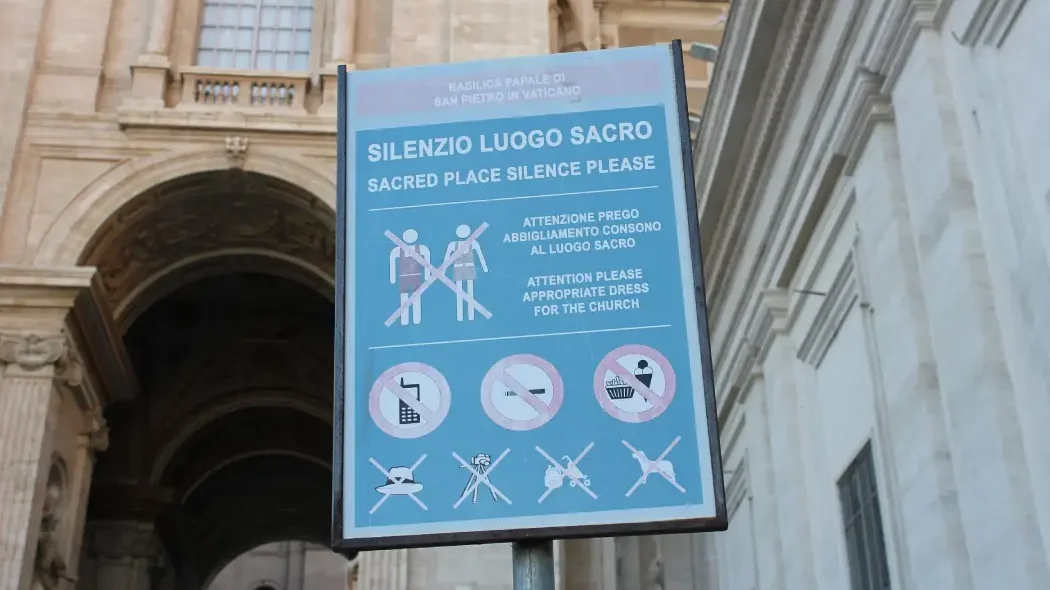
Italians place a high value on presentation. You don’t need designer clothes, but neat, well-fitting attire is appreciated over sloppy tourist gear. It is mandatory to respect sacred sited, this is one of the most important rules, particularly in major cities like Rome, Florence, and Venice.
To enter any church, basilica, or religious site, like St. Peter’s Basilica or the Duomo of Florence you must adhere to a strict dress code. Cover shoulders and knees: this applies to both men and women. No tank tops, halter tops, or shorts/skirts above the knee. Our suggestion is to carry always a lightweight scarf or shawl to quickly cover up before entering. Men should wear long pants or knee-length shorts.
Knowing these simple rules of Italian travel etiquette will help you navigate your holiday with confidence and earn you the respect of the locals. With these etiquette tips, you won’t just witness Italy—you’ll experience it authentically, respectfully, and memorably.