Rome wasn’t built in a day, and it certainly doesn’t stand still. As we move into 2026, the Italian capital is shedding its “under-construction” situation from the recent Jubilee preparations and emerging more polished, accessible, and high-tech than ever. Whether you are a history buff, a luxury traveler, or a digital nomad, Rome is serving up major updates this year.
From the underground revolution of the Metro C to the new ETIAS visa requirements, here is everything you need to know about traveling to Rome in 2026. Let’s find out together the most important news coming up to the Eternal City for this new year 2026.
The Trevi Fountain transition: new rules in 2026 for a classic icon
Perhaps the biggest headline for 2026 is the change at the Trevi Fountain. Starting February 1, 2026, the city will implement a controlled access system for the lower basin area. International tourists will need to pay a nominal €2 fee to access the stone steps and the front basin: with daily crowds peaking at 70,000 people, the measure aims to combat “overtourism” and ensure a more respectful experience.
Tourists can still view the fountain for free from the surrounding piazza, and the fee is waived for Roman residents.
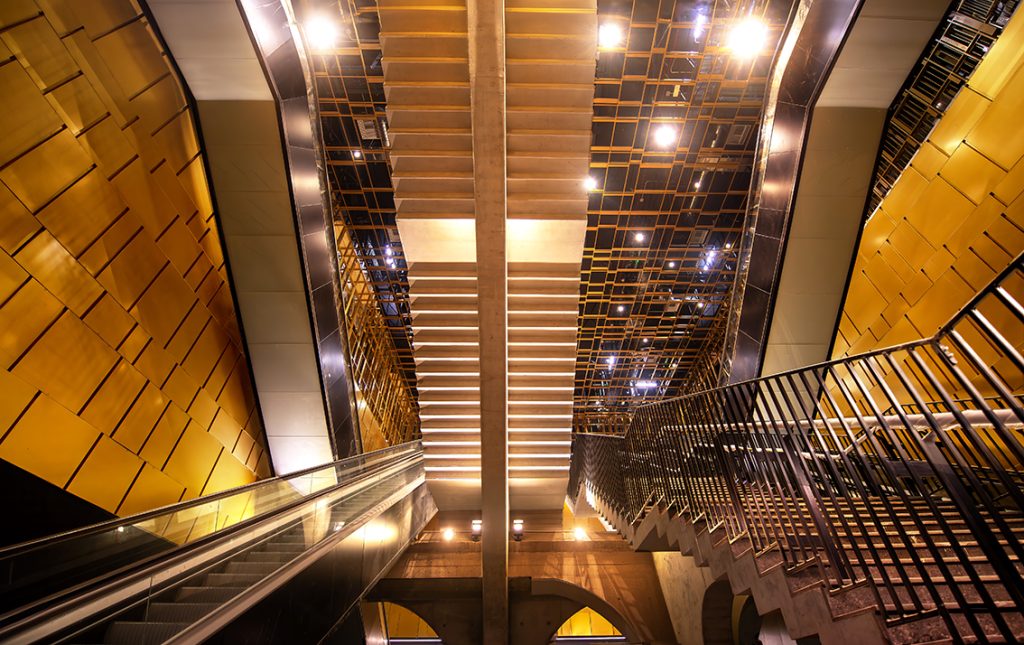
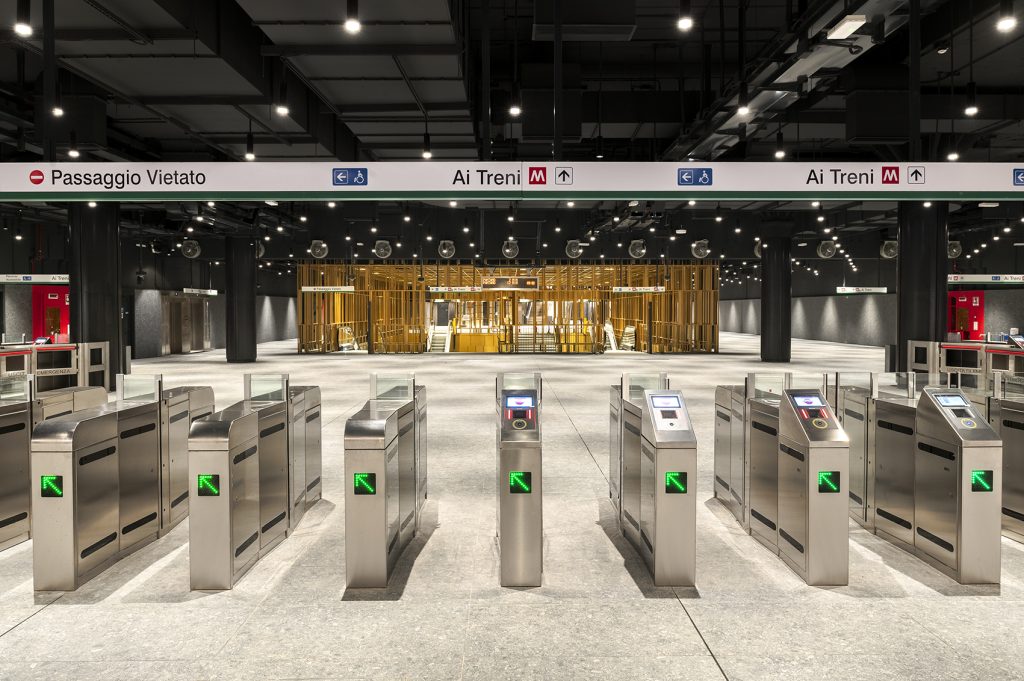
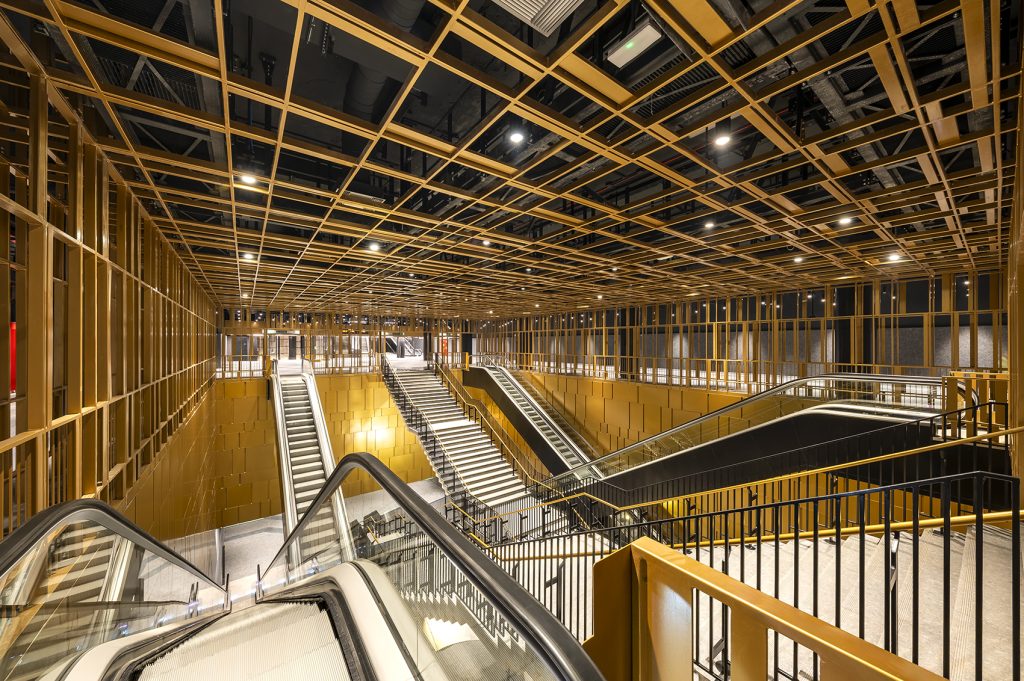
The underground revolution: Metro C reaches the Colosseum
The biggest news for 2026 is undoubtedly the completion of the most ambitious archaeological-engineering project in modern Italian history. After years of anticipation, the Metro C line extension is officially transforming how we move through the historic center. Forget the dark, cramped subway tunnels of the past.
Rome has introduced “Archeo-stations”—stations that double as world-class museums with two museum-stations: Colosseo and Porta Metronia. For travelers, this means a faster, more scenic connection from the eastern suburbs directly into the heart of the Roman Forum.
Colosseo–Fori Imperiali station now serves as a direct interchange between Line B and Line C. As you descend 30 meters below ground, you aren’t just catching a train; you’re walking through Roman history with glass-enclosed displays of artifacts found during the dig.
Porta Metronia station houses an incredibly well-preserved 2nd-century Roman barracks, complete with commander’s quarters and mosaics. It is a breathtaking fusion of 2,000-year-old history and 21st-century transit.
The new European visa system: ETIAS 2026
If you are visiting from a visa-exempt country (like the US, Canada, UK, or Australia), 2026 brings a significant change to your entry requirements. The ETIAS (European Travel Information and Authorisation System) is scheduled to be fully operational by the last quarter of 2026. It is not a traditional visa but a quick online pre-screening. Most applications are approved within minutes. The fee is €7, and the authorization is valid for three years (or until your passport expires).
You must apply before you head to the airport. It allows for stays of up to 90 days within a 180-day period. Don’t wait until the last minute. While the system is designed to be seamless, checking your status early ensures your Roman Holiday starts without a hitch at the border.

Where to stay: the luxury hotel boom
The post-Jubilee legacy has left Rome with a sparkling new hospitality landscape. If you are looking for the new elegant Rome vibe, 2026 is the year of the grand opening of two luxury locations.
The Corinthia Rome, located in the former Bank of Italy headquarters near Piazza del Parlamento, this hotel is a masterclass in Italian craftsmanship, featuring a spa built into the original bank vaults. The Rosewood Rome, which occupying a block of historic buildings on Via Veneto, this opening marks a return to the “La Dolce Vita” glamour that made this street famous in the 1960s.
The Neptune Basilica experience
A major 2026 highlight is the new way to experience the Pantheon. Visitors can now explore the Basilica of Neptune, located directly behind the Pantheon.
The “Beyond the Pantheon” (Oltre il Pantheon) experience is a newly inaugurated cultural itinerary (launched late November 2025) that grants public access to the Basilica of Neptune for the first time in modern history. Located directly behind the Pantheon’s famous Rotunda, this site was once part of the great Baths of Agrippa.
In 2026, it serves as a high-tech museum space that bridges the gap between Ancient Rome and the Christian era. The specialized “Beyond the Pantheon” ticket is €10. Note that this is separate from the standard Pantheon entrance fee (€5), but the tour includes autonomous entry into the Pantheon via a dedicated internal passage.
Is 2026 the best year to visit Rome?
By 2026, the massive crowds of the 2025 Holy Year have leveled off, but the city still benefits from the billions of euros spent on infrastructure. You’ll find refurbished monuments, cleaner streets, and a public transport system that is finally catching up to other European capitals.
In the next year the Eternal City is smarter, using apps and digital ticketing to manage its popularity, but it remains the timeless “Open Air Museum” worldwide loved.