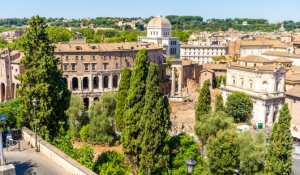
Italy is a country where food is not just sustenance, it’s culture, ritual, and social events. For international travelers, understanding the dining etiquette in Italy can transform a simple meal into an authentic experience. From mysterious charges on the bill to the sacred rules of pasta, here’s you will find an insider guide with unwritten rules of food followed in Italy to navigating Italian dining customs with confidence.
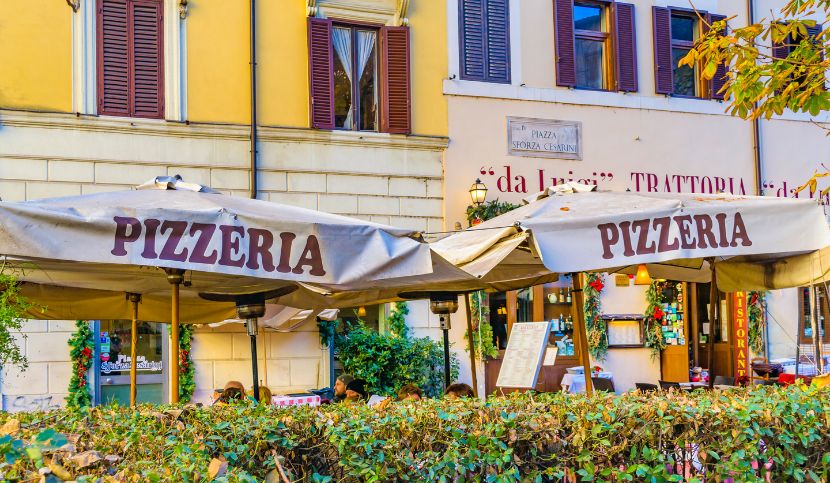
Understanding the “Coperto”: that small charge on your bill
In every restaurants check in Italy you might notice a line item for a few euros called the coperto. Don’t worry the waiter isn’t trying to pull a fast one. The coperto is a standard cover charge usually between €1.50 and €3.00 per person that covers the cost of bread, linens, and silverware. It’s a centuries-old tradition that persists today, so consider it part of the price of admission for a seat at the table.
The Italian meal Structure: appetizer to second course
In many cultures, a meal is one big plate called main course. In Italy, every meal in theory it is symphony in four acts. Understanding the progression is the backbone of dining etiquette in Italy:
- Antipasto: the appetizer like bruschetta, cured meats, grilled vegetables or the famous Roman supplì.
- Primo Piatto: the First Course, this is almost always pasta, risotto, or soup.
- Secondo Piatto: the Second Course, this is the plate for protein meat, fish or sometimes cheese.
- Contorno: note that the Secondo rarely comes with sides, it means that you must order your contorno (vegetables or potatoes) separately.
Of course you aren’t legally obligated to order every course for every meal, but a “full” Italian dinner usually involves at least a Primo and a Secondo or an Antipasto and a Primo.

The golden spaghetti rules: put down the knife
If there is one thing that will cause an Italian nonna to lose her cool, it’s seeing a guest cut their pasta. Spaghetti rules are non-negotiable that it means: never ever cut your pasta with a knife and use your fork to twirl the strands into a manageable nest. In addition if you want eat like a local you must abandon the spoon: in fact while some parts of the world use a spoon to help twirl, in Italy, the fork-against-the-plate technique is the only way to go.
Water at the table: tap vs bottled
In many countries, a pitcher of tap water is the first thing to hit the table. In Italy, you will almost always be asked: “Naturale o frizzante?” (Still or sparkling?). Italians rarely drink tap water with their meals instead, you’ll be served chilled bottled mineral water. It’s a small expense that Italians believe enhances the flavor of the food and aids digestion.
Tipping: is it mandatory?
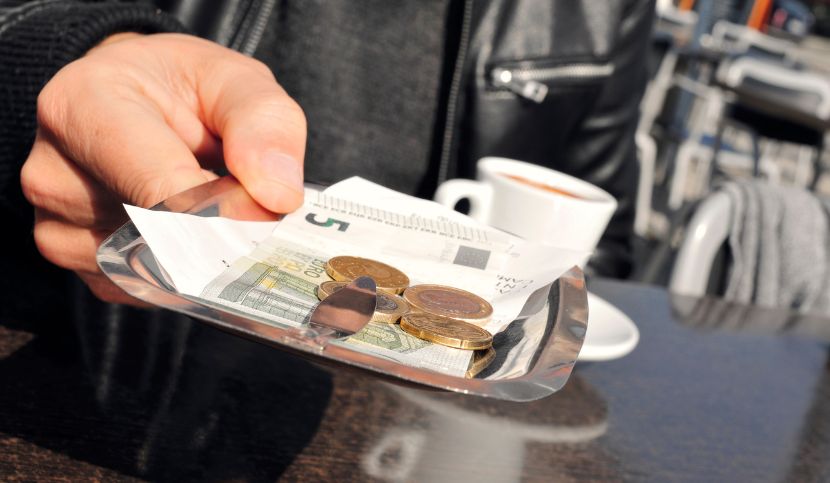
Unlike in the United States, tipping is not mandatory in Italy in fact service workers are paid a living wage. However, it is certainly appreciated. If the service was exceptional, leaving a few coins or rounding up the bill (e.g., leaving €50 for a €46 bill) is a classy gesture that won’t go unnoticed.
Understanding Italian dining formats: from fine dining to quick bites
In Italy, even the type of place where you eat tells you something about the experience you are about to have.
A ristorante is the most formal option, with full table service, a structured menu and often a more refined setting.
A trattoria, instead, is usually more informal and family-run, focused on traditional recipes and a relaxed atmosphere, often with a strong local identity.
An osteria was historically a simple place for wine and basic food; today it often keeps that spirit alive, offering a short menu, seasonal dishes and a more rustic, social vibe.
An enoteca is primarily a wine-focused space, where food is secondary and usually designed to accompany tastings or wine pairing experiences. Finally.
A tavola calda is the most informal option: a quick, practical stop where you’ll find ready-made dishes, perfect for a fast lunch or an easy meal on the go.
Coffee culture: at the counter vs. at the table
Coffee is the final point of any Italian meal. However, the where and how you drink it matters: al banco (literally at the counter this is for a quick caffeine hit. You pay a lower price the “standard” price and drink standing up. Al tavolo (literally at the table): once you sit down, the price often doubles or triples. You are paying for the service and the “rent” of the chair.
In addition, never order a cappuccino after 11:00 AM at the restaurant: Italians believe hot milk after a meal wreaks havoc on digestion. Stick to a simple caffè (espresso) to end your lunch or dinner like a true local.
Mastering these small details will not only help you blend in but also deepen your appreciation for Italy’s rich culinary traditions. Moreover, by following these simple guidelines, you’ll do more than just eat you’ll experience the true soul of Italian culture. Buon appetito!