When Katy Perry visited the Eternal City, she wanted to take part in the time-honored tradition of tossing a coin into the Trevi Fountain to guarantee her return to Rome. The only problem? The pop star realized she had zero coins in her pockets. In a hilarious, viral Instagram video, she quipped, “Y’all, I don’t f**k with change,” and proceeded to dip her physical credit card directly into the turquoise water for good luck.
While Katy’s high-tech approach broke the internet, it also raised an excellent question for international travelers: Can you survive on plastic credit cards alone in Rome, or do you still need old-school paper and coins?
Thanks to strict Italian laws requiring businesses to accept electronic payments, tapping your phone or card is easier than ever. However, Rome is a city deeply rooted in tradition, and there are still plenty of moments where cash is king. Here is your ultimate guide to navigating payments in Rome like a seasoned local.
So can you visit Rome using only your credit card?
The answer is yes for most of your daily expenses—but not for everything.
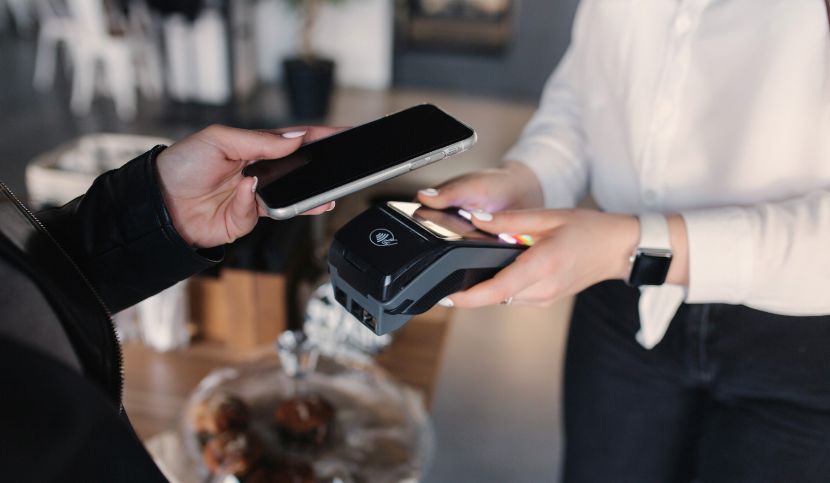
Where you can pay by card in Rome
If you prefer traveling light without a heavy wallet, you are in luck. Italy has aggressively modernized its digital payment infrastructure. Under current regulations, merchants face heavy penalties if they refuse electronic payments, meaning your Visa, Mastercard, or digital wallet (Apple Pay and Google Pay) will be accepted almost everywhere.
You can confidently use your card for:
- Accommodations & fine dining: all hotels, holiday rentals, and standard sit-down restaurants (ristoranti and trattorie).
- Major attractions: booking tickets for the Vatican Museums, the Colosseum, or the Galleria Borghese online or at the official ticket booths.
- Retail shopping: from high-end fashion boutiques on Via del Corso to standard supermarkets.
- Transportation and taxis: Rome’s public transit network, ATAC, features “Tap & Go” contactless readers on all buses, trams, and metro turnstiles. You can simply tap your credit card or phone to ride. Furthermore, legal Roman taxis, always look for the official white cars with meters, are required by law to have functioning POS terminals.
When you’ll still need cash
Despite the digital push, running completely cashless in Rome is a gamble. Small, family-run businesses often experience “sudden technical glitches” with their card readers for micro-transactions, and some classic Roman experiences simply require physical Euros.
The espresso and gelato rule
In Italy, a morning espresso at the counter usually costs around €1.20 to €1.50. While a café must legally let you charge it, paying for a tiny coffee with a credit card is considered poor etiquette. Locals always pay for their daily espresso, a quick gelato, or a slice of pizza with coins or small bills.

Roman traditions: fountains and church candles
This is where Katy Perry’s method fails spectacularly. To properly participate in the Trevi Fountain ritual, tradition dictates you must stand with your back to the monument and toss a real coin over your left shoulder with your right hand. Swiping a Mastercard over the water won’t grant you a return trip to Rome!
Similarly, Rome is home to over 900 breathtaking churches. Inside these sacred spaces, a favorite local and tourist tradition is lighting a votive candle in front of a beautiful altar or statue. While some larger basilicas have introduced electronic tap-to-light LED candles, the vast majority still rely on small metal boxes where you drop a €0.50, €1, or €2 coin to offer a prayer and light a real, flickering wax candle.
Flea markets and street vendors
If you are hunting for vintage treasures at the famous Porta Portese flea market or buying fresh tomatoes at a local neighborhood market, cash is non-negotiable. Street artists, souvenir stalls, and small kiosks selling water bottles near monuments will also highly appreciate—or outright demand—cash.
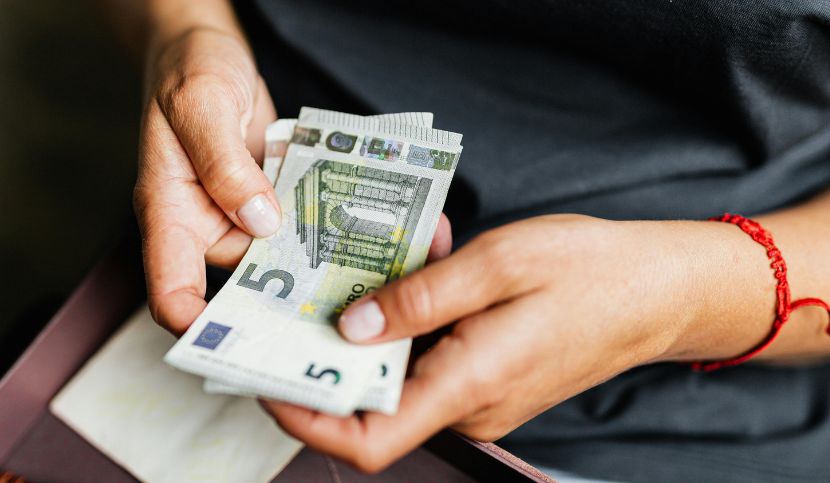
Smart money tips for your Roman Holidays
To ensure your financial transactions are as smooth as Roman silk, keep these three golden rules in mind:
- Avoid high denominations: Do not carry €100 or €200 bills. Most small shops cannot or will not break them. Stick to €5, €10, and €20 notes.
- Declining ATM conversion: When withdrawing Euros from a local bank ATM (Bancomat), the machine will ask if you want to be charged in your home currency or local Euros. Always choose Euros. Letting the machine do the conversion triggers predatory exchange rates.
- Keep €10–€20 in cash daily: You don’t need a wallet bursting with banknotes, but having a small safety net of cash will save you from awkward situations.
So, take a page out of Katy Perry’s book for your digital expenses, but remember to keep a few Euro coins in your pocket. After all, your credit card won’t buy you any luck at the fountain or light a flame in Rome’s historic churches.