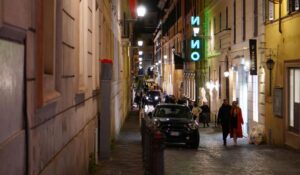
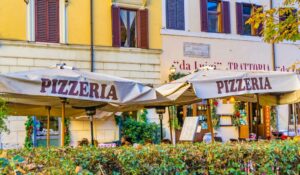
Discover Rome like a local and avoid the most common tourist traps for a more authentic experience
Rome is a dream destination for millions, packed with millennia of history, breathtaking architecture, and world-renowned cuisine. However, because it is so popular, it is also home to some of the most common tourist traps in Europe.
If you’re not careful, you might overpay for an average meal, buy unnecessary skip-the-line tickets, or spend money on experiences that don’t live up to expectations.
The good news? Most of these situations are easy to avoid once you know what to look for. Here are the most common tourist traps in Rome—and what locals do instead.
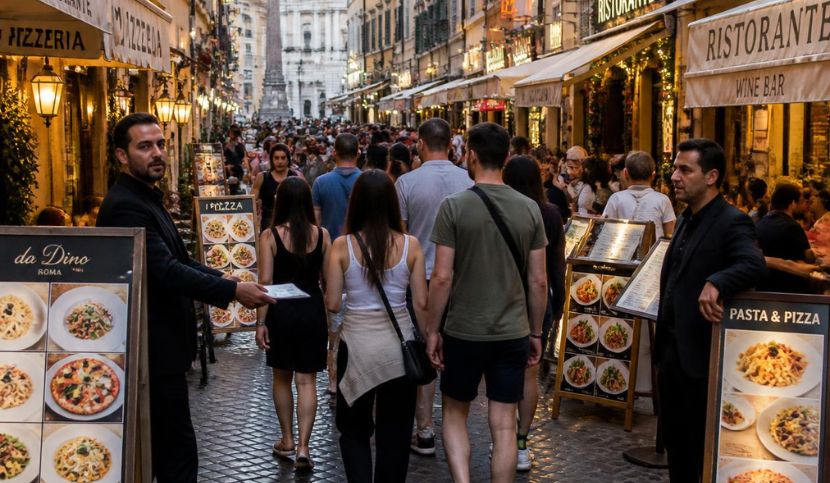
The restaurant trap: picture menus and hosts outside
You’re walking past the Pantheon or Piazza Navona when someone enthusiastically invites you inside, waving a laminated menu filled with food photos and translations in several languages.
While not every restaurant with an English menu is a tourist trap, places that actively approach passersby and rely on flashy menus are often focused on attracting tourists rather than serving great Roman food. Prices tend to be higher, drinks are often overpriced, and the atmosphere rarely reflects authentic Roman dining.
Instead, walk just a few streets away from the busiest squares. Look for trattorias filled with locals, handwritten menus or simple daily specials, and restaurants where dinner starts getting busy around 8:00 PM.
For a more authentic foodie experience, explore neighborhoods like Testaccio or Garbatella, where Roman cuisine is still very much a local tradition.
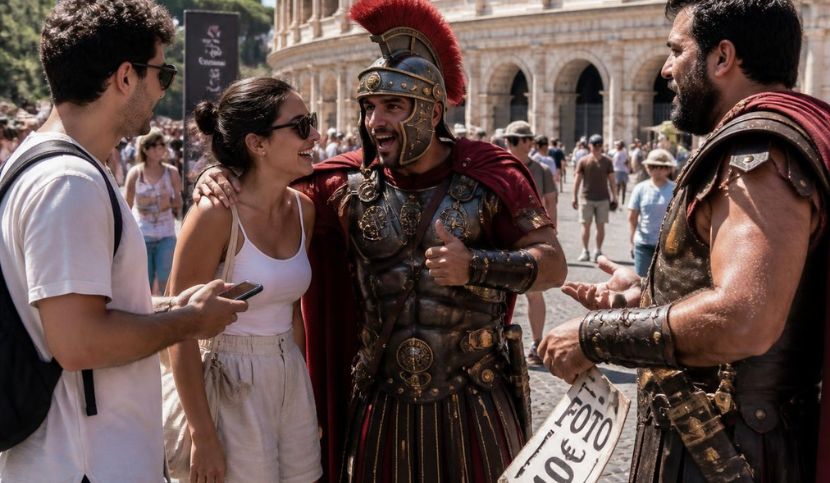
The landmark trap: photos with gladiators
Outside the Colosseum, you’ll find men dressed as Roman gladiators offering to pose for photos.
It may look like a fun souvenir, but these photos are never free. Often, the price isn’t mentioned until after the picture has been taken, and some performers can become quite persistent when asking for payment.
A simple “No, grazie” while continuing to walk is usually enough.
If you’re looking for a memorable photo instead, head to the Aventine Keyhole, where you’ll enjoy one of Rome’s most unique views of St. Peter’s Basilica—completely free.

The gelato trap: bright colors and giant mountains
You’re hot, tired, and craving authentic Italian gelato. Then you spot towering mountains of bright green pistachio or electric-blue bubblegum flavors piled high in the display window.
Real artisanal gelato simply doesn’t hold those dramatic shapes naturally. Oversized displays and unnaturally bright colors are often signs of artificial ingredients and lower-quality products.
Instead, look for gelaterie artigianali where the gelato is stored in flat metal containers, often covered with lids (called pozzetti). The colors should look natural: pistachio is usually a soft brownish-green, banana is almost white, and lemon isn’t fluorescent yellow.
The transportation trap: unofficial taxis
After arriving at Termini Station or one of Rome’s airports, you may be approached by drivers offering you a ride before you even reach the official taxi stand. Simply decline and keep walking.
Official Rome taxis are always white, display the city’s emblem on the doors, have a TAXI sign on the roof, and use a taximeter. Even easier, book one through the Free Now app or head to an official taxi rank.
Accepting rides from unofficial drivers can mean paying significantly more than the regular fare.
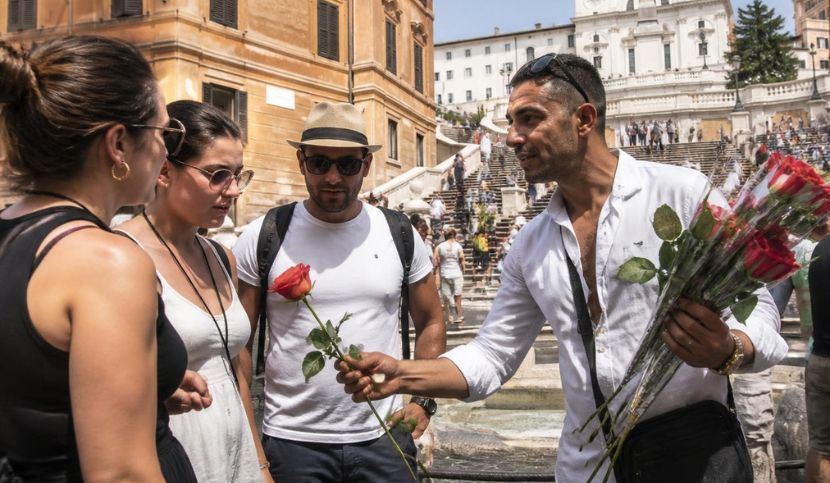
The “free gift” trap: bracelets and roses
Near major attractions, someone may approach you with a friendship bracelet, a small souvenir, or even a rose, insisting that it’s a gift.
The moment you accept it—or even let them place it in your hand or around your wrist—they’ll ask for money, sometimes quite insistently.
The easiest solution is also the simplest: politely say “No, grazie”, keep your hands to yourself, and continue walking without stopping.
If someone places an item in your hand anyway, calmly hand it back and walk away.
How to experience Rome like a local
Avoiding tourist traps doesn’t mean skipping Rome’s iconic landmarks—it simply means experiencing them a little differently.
- Book major attractions in advance. Popular sites like the Colosseum, Vatican Museums, and Galleria Borghese often sell out weeks ahead, especially during peak season.
- Slow down. Romans have a tradition called la passeggiata: an evening stroll with no particular destination. Grab an espresso, an aperitivo, or a gelato, sit in a beautiful piazza, and enjoy il dolce far niente—the sweetness of doing nothing.
- Explore beyond the postcard views. Some of Rome’s best restaurants, cafés, and hidden corners are found just a few minutes away from the busiest tourist routes.
Rome isn’t a city to rush through.
The farther you move away from souvenir shops, aggressive street sellers, and crowded tourist hotspots, the more you’ll discover the authentic rhythm of the Eternal City.
With a little planning and a few local tips, you’ll spend less time avoiding tourist traps—and more time experiencing the Rome that locals know and love.