Explore with us Saint Mary Major Basilica, one of the four Papal of the Eternal City full of incredible masterpieces.
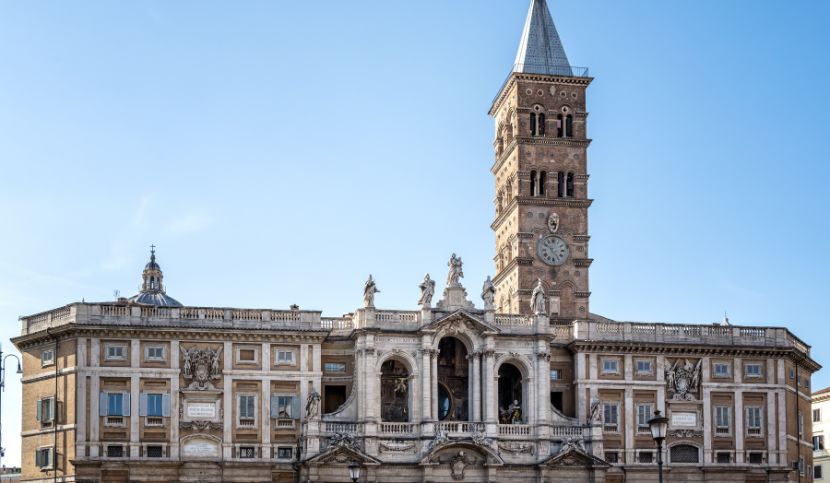
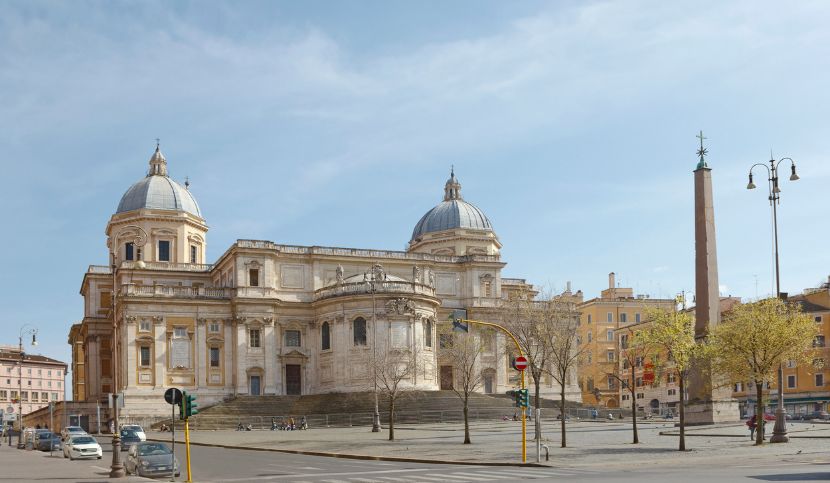
While the Colosseum and Saint Peter’s Basilica often steal the spotlight, seasoned travelers know that the Papal Basilica of Saint Mary Major (Santa Maria Maggiore) is one Rome’s most authentic treasure. As the largest Marian church in the world and the only one of the four Papal Basilicas to retain its original 5th-century structure, it offers a direct portal into the Roman Empire’s transition to Christianity.
Whether you are a history lover or a spiritual pilgrim, here is everything you need to know to experience this UNESCO World Heritage site of the Eternal City.
The legend of the summer snow
Unlike many Roman monuments built on imperial ruins, Saint Mary Major has a celestial origin story. Legend has it that in August 358 AD, the Virgin Mary appeared in a dream to Pope Liberius, instructing him to build a church where snow fell. Despite the sweltering Roman summer, a miraculous snowfall blanketed the Esquiline Hill on August 5th.
If you have the opportunity to visit the Basilica on August 5th, you can witness a breathtaking reenactment where thousands of white flower petals are dropped from the ceiling during Mass, simulating the miraculous snow.
Must-see highlights inside the Basilica
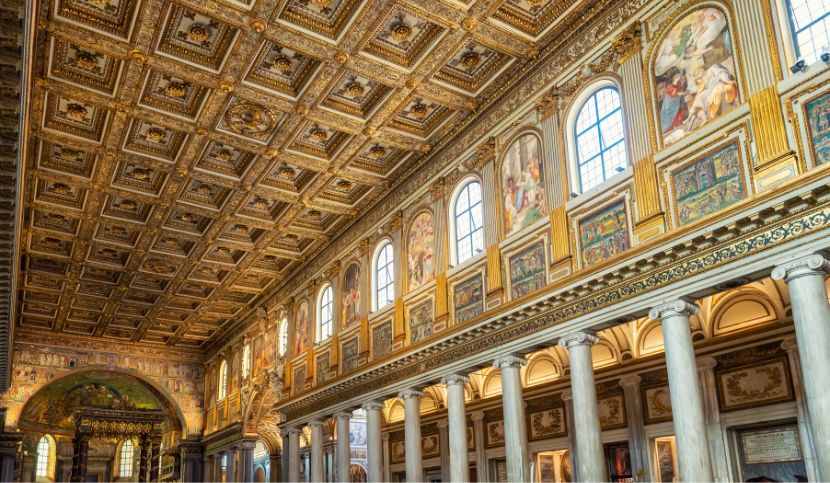
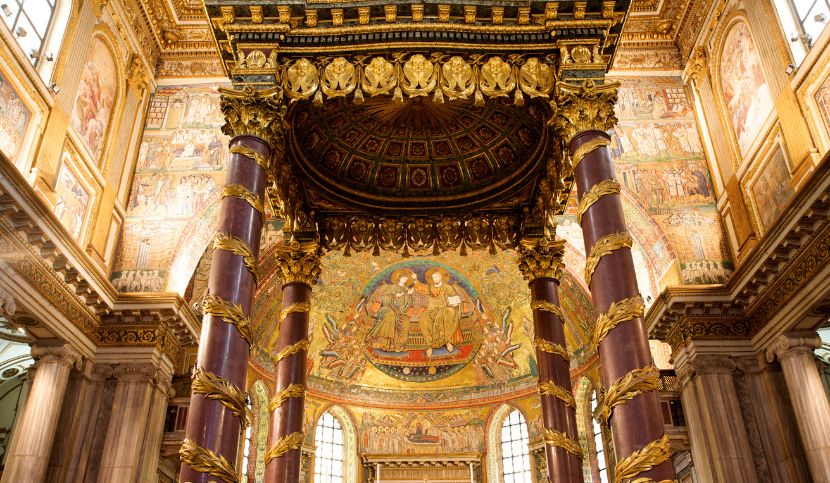
The interior of Saint Mary Major Basilica is a glittering masterpiece of gold and marble with some of unmissable masterpieces to see:
- The golden ceiling
The coffered ceiling is famously gilded with the first gold brought from the New World, gifted by the Spanish Monarchy to the Church. Look up to see the intricate craftsmanship that has shimmered for over five centuries. - The 5th-century mosaics
Lining the nave and the triumphal arch are some of the oldest Christian mosaics in existence. They provide a rare glimpse into Late Antique art, depicting biblical scenes with a vibrancy that has survived the fall of empires. - The holy crib relic
Beneath the high altar lies the Crypt of the Nativity, housing a crystal reliquary said to contain wood from the manger of Jesus. It is a site of immense spiritual significance and a quiet place for reflection.
4. A new place of pilgrimage: the tomb of Pope Francis
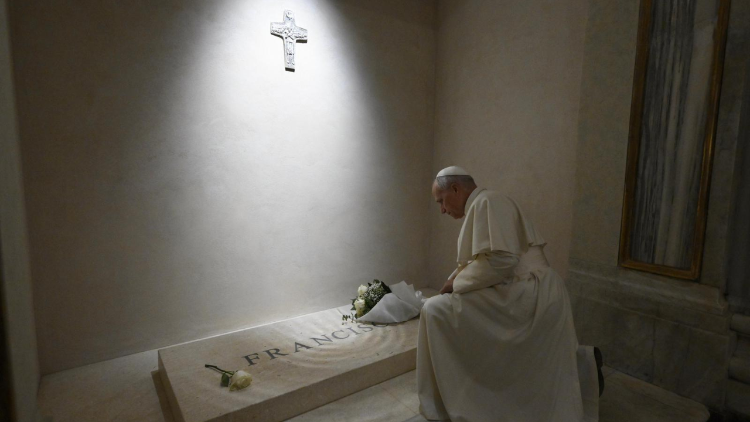
As of 2025, the Basilica has become an even more significant site for pilgrims. Following his passing, Pope Francis was laid to rest here, making him the first pope in over 120 years to be buried outside the Vatican.
His choice of Santa Maria Maggiore reflects his deep, lifelong devotion to the icon of Salus Populi Romani, loacated inside the Basilica. Unlike the ornate papal tombs of the past, Francis’s final resting place is famously simple, a plain white marble slab inscribed only with Franciscus and a reproduction of his pectoral cross.
Practical tips for your visit
To ensure your visit is seamless, keep these essential logistics in mind:
Dress code and security
As a sovereign territory of the Holy See, the Basilica enforces a strict dress code. Both men and women must have shoulders and knees covered. You will pass through a metal detector at the entrance. Visitors cannot bring large luggage
Best times to visit
The Basilica is open daily from 7:00 AM to 7:00 PM. To avoid crowds our suggestion is to aim for the early morning (7:00–9:00 AM).
However, while the main church is free, we recommend booking a guided tour with a professional tour operator for the Loggia of the Blessings and the Archaeological Excavations located underground to experience at the best one of the most Christianity places of the world.
How to reach Saint Mary Major Basilica
Located in the vibrant Esquilino district, the Saint Mary Major Basilica is exceptionally easy to reach. With subway you can take Line A or B to Termini Station: it’s a short 5-minute walk. By bus, you can reach the Baislica by lines 16, 70, 75, and 360 stop directly nearby at Piazza Santa Maria Maggiore.