If you find yourself in Rome on the 2nd of June, prepare for a spectacle that rivals the city’s ancient triumphs. This is Festa della Repubblica—Italy’s National Day and there is no better place on the peninsula to witness the pride, history, and vibrant culture of the Italian people than under the Roman summer sun.
Whether you are a history buff, a photography enthusiast, or just a traveler looking for the ultimate Italian atmosphere, here is everything you need to know about celebrating the birth of the Italian Republic in Rome.
What is Festa della Repubblica?
While many nations celebrate their independence from others, Italy celebrates its choice of identity. On June 2nd and 3rd, 1946, following the fall of Fascism and the end of the Second World War, Italians headed to the polls for a historic referendum. They voted to abolish the monarchy and transition into a Republic. In that occasion Italian women have had the right to vote for the first time.
For Romans, this day is a profound reminder of democracy. It is a public holiday where the city transforms into a stage for military honors, floral tributes, and high-altitude acrobatics.
The main event: the grand military parade
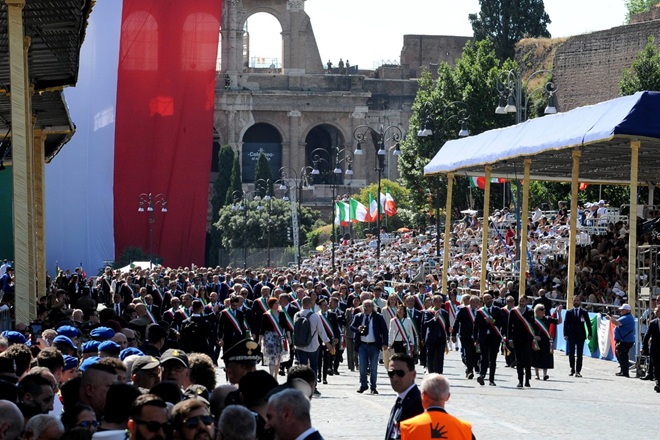
The centerpiece of the morning is the massive parade that marches down the Via dei Fori Imperiali. With the Colosseum as a backdrop, thousands of members of the Italian Armed Forces, Carabinieri, and emergency services march in precision. Don’t forget that space along the barriers is tight. If you want a front-row view of the Bersaglieri (infantry famous for their feathered hats) running past, you’ll need to arrive by 7:30 AM. Expect brass bands, historic uniforms, and a palpable sense of national unity that echoes through the ancient ruins.
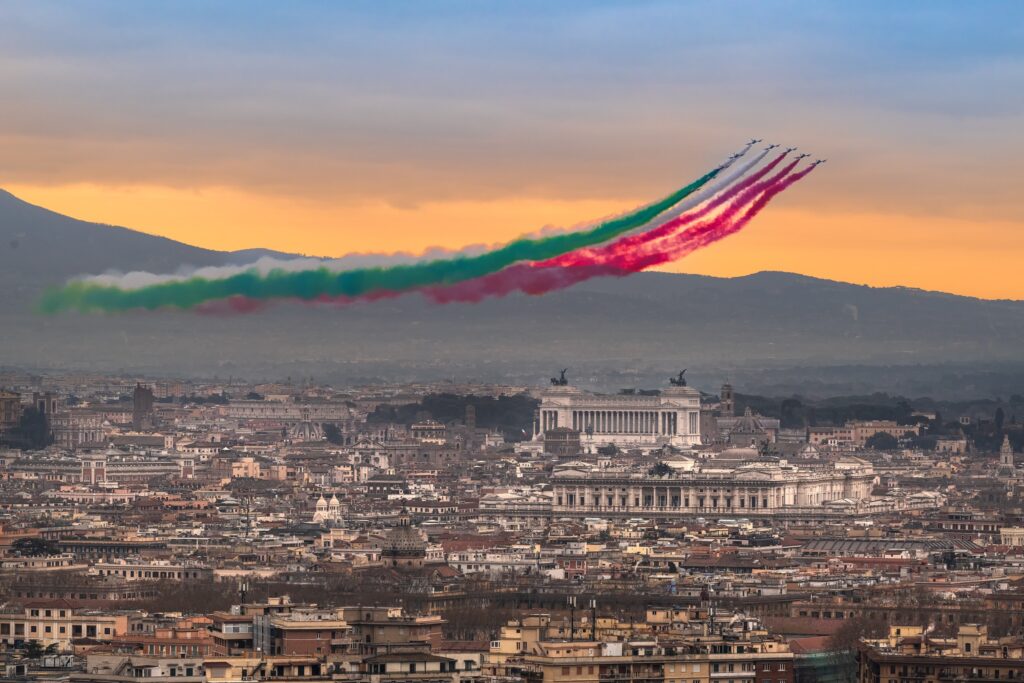
The Frecce Tricolori flyover
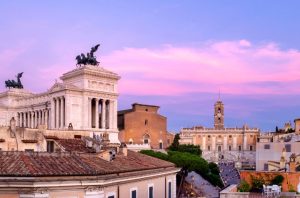
The most iconic moment of the grand military parade occurs when the Frecce Tricolori (the Italian Air Force stunt team) streaks across the Roman sky. As they fly over the Altare della Patria (The Vittoriano building), they release plumes of smoke in the green, white, and red of the Italian flag. It is a thunderous, spine-tingling moment that defines the holiday.
Museums & free entry day
On June 2nd, state museums, archaeological sites, and cultural institutions managed by the Italian Ministry of Culture are typically open and accessible, often with regular ticketing.
However, it is important to note that Italy also offers free admission to state museums and archaeological parks on the first Sunday of every month, a national initiative that includes major sites in Rome such as parts of the Roman Forum and other state-run collections (depending on availability and capacity management).
This combination of a national holiday and potential free-entry policies can make museum visits both highly appealing and extremely crowded. Arriving early in the day is strongly advised to avoid long queues and peak congestion.
Exclusive access: the Quirinale gardens
Usually, the Palazzo del Quirinale, the official residence of the President of the Italian Republic, is shrouded in mystery and heavy security. However, on the afternoon of June 2nd, the President often opens the Quirinale Gardens to the public for free. Strolling through these manicured “Hedge of Italy” gardens offers a rare glimpse into the prestigious life of the state. You’ll hear live music performed by military bands echoing through the palms and statues, providing a sophisticated soundtrack to your Roman afternoon.
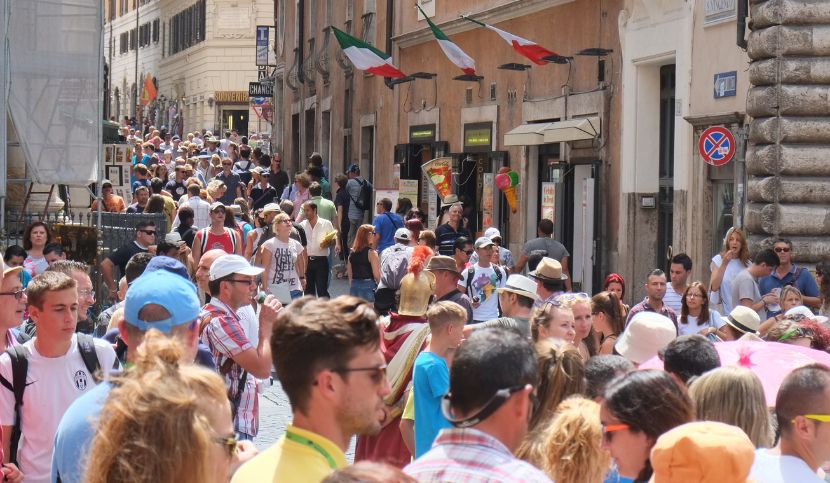
Traveler’s logistics: what’s open and what changes?
Because June 2nd is a major national holiday, there are a few logistical shifts to keep in mind:
- Public Transport: expect significant diversions. The subway stations closest to the parade (Colosseo and sometimes Circo Massimo) often close for security reasons during the morning.
- Shops and commercial activities: many independent stores and local businesses in the historic center remain closed for the holiday, while some larger retail chains in more commercial areas may operate with reduced hours. It’s not a typical shopping day in Rome, so planning ahead is essential.
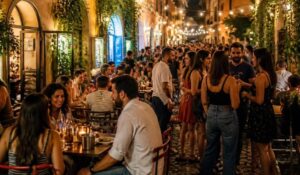
- Dining: restaurants and trattorias are usually open, as holidays are often celebrated with long meals. Reservations are strongly recommended, especially in Trastevere, Monti, and central Rome.
One important aspect to consider this year is that June 2nd falls within a long weekend (“ponte”), which means Rome will not only be busy with local celebrations, but also significantly more crowded due to domestic Italian tourism. Expect higher visitor numbers across the entire historic center, especially in the main landmarks, restaurants, and public squares.