Discover how the shorter winter days in Rome aren’t an inconvenience—they are an invitation to experience the Eternal City at its most atmospheric and intimate.
Winter in Rome may bring shorter days and an earlier sunset, but it rarely means staying indoors until morning. The city simply changes pace. The archaeological sites and outdoor attractions are best enjoyed while the sun is up, while the late afternoon and evening offer a different way to experience Rome: illuminated monuments, lively neighborhoods, cozy wine bars, and streets that remain full of life long after dark.
For visitors used to making the most of every hour of daylight, this shift can take some getting used to. But with a little planning, you can discover that an early sunset is not the end of your sightseeing day. It’s an opportunity to enjoy another side of the city.
The 5 PM Trap (And How to Escape It)
If you’ve ever visited Rome in late autumn or winter, you know the feeling. One minute you’re soaking up the golden afternoon sun on the steps of a piazza, and the next, the streetlamps flicker on, the air turns crisp, and it feels like night has descended hours too early.
To many travelers, an early sunset feels like a sudden curfew—a frustrating halt to sightseeing that leaves you wondering if you should just head back to the hotel. But here is a little secret from those of us who call Rome home: the early sunset doesn’t mean your day is ending; it means a whole new side of the city is waiting to be discovered.
Winter in Rome has a rhythm entirely its own. With fewer hours of daylight, the key is to plan outdoor visits earlier and make room for a different kind of experience once the sun goes down. Here is how to redesign your winter days to make the most of every single hour.
Rethinking the Rhythm How to Structure your Winter Day
The golden rule of traveling in Rome during the colder months is simple: front-load your daylight.
The golden rule of traveling in Rome during the colder months is simple: front-load your daylight. Instead of fighting the clock, let the natural arc of the sun guide your itinerary.
Morning (9:00 AM – 1:00 PM): This is your prime window for expansive outdoor sights, archaeological marvels, and long walks. Head straight to the Roman Forum, the Palatine Hill, or explore the gardens and paths of Villa Borghese while the morning light is still bright. Remember that major archaeological sites have earlier winter closing times, so plan these visits for the first part of the day.
Midday (1:00 PM – 3:30 PM): Take a long, unhurried lunch in a cozy trattoria, or explore indoor architectural wonders like the Pantheon and Rome’s historic churches. This is also a good time to visit a museum or an underground archaeological site before it closes.
The Late Afternoon Transition (3:30 PM – 5:00 PM): As the shadows lengthen, slow down and enjoy a neighborhood stroll. Trastevere, Monti, and the Jewish Ghetto are lovely places to explore as the daylight fades, with narrow streets, small shops, and cafés that gradually take on a different atmosphere.
By shifting your expectations, you stop seeing an early sunset as lost time and start viewing it as a seamless transition into Rome’s evening life.
When the Sun Goes Down Rome's Best Evening Experiences
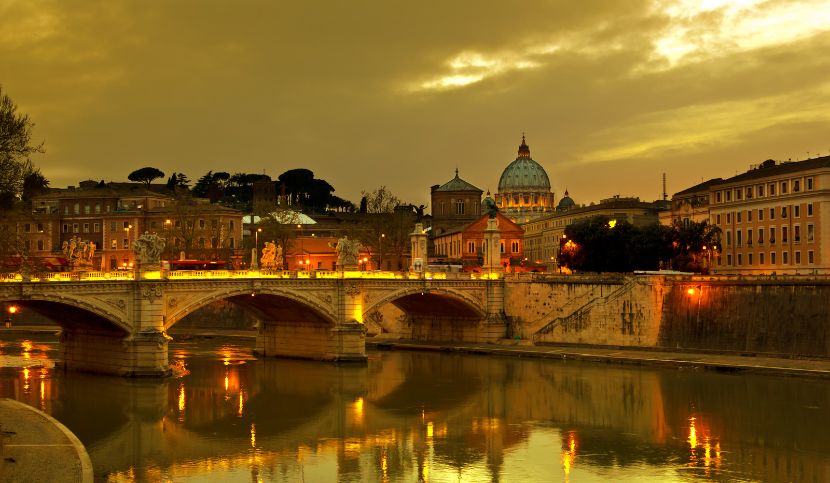
When darkness falls, Rome doesn’t go to sleep, but it turns on the lights. Its monuments, fountains, and historic squares take on a different character after sunset. And while some archaeological sites close in the late afternoon, many of the city’s most iconic views can still be enjoyed outdoors.
The Illuminated Masterpieces: Rome’s monumental fountains and piazzas are masterclasses in theatrical lighting.
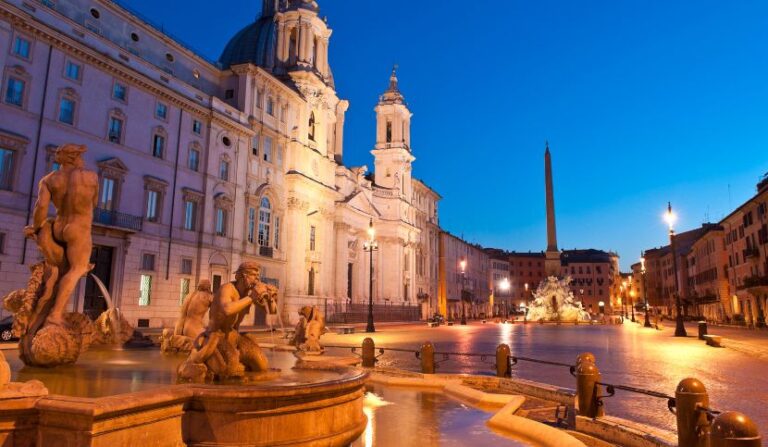
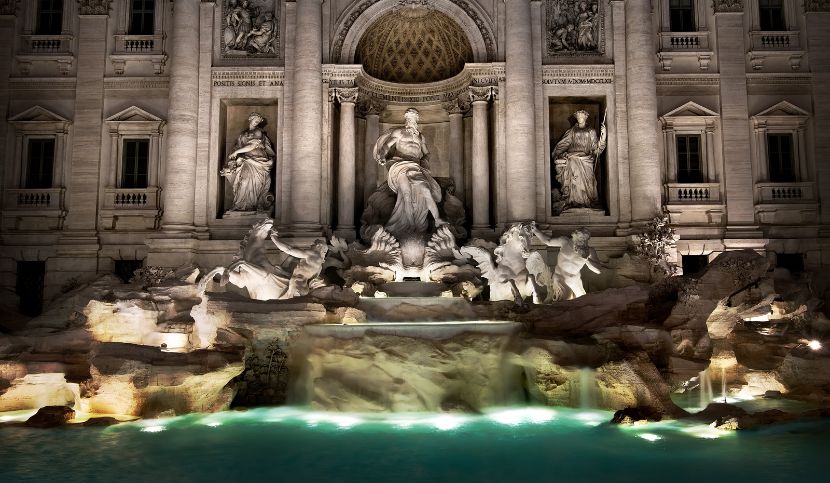
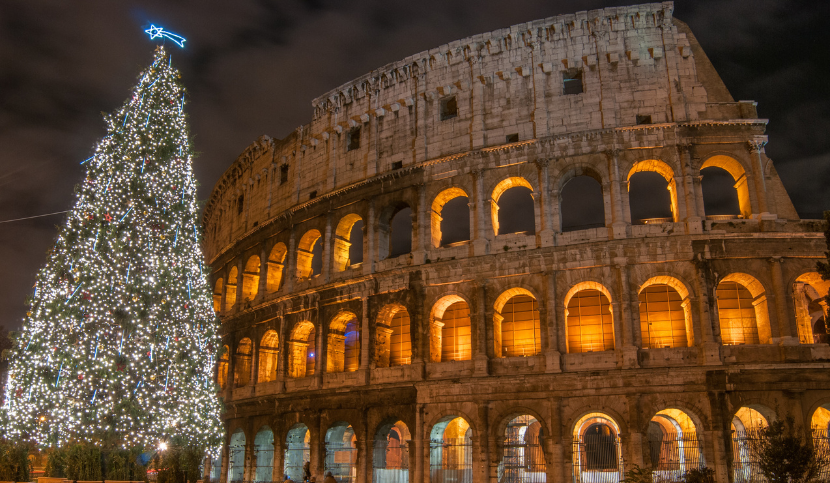
Picture the Trevi Fountain rushing with turquoise water under the evening lights. If you want to get closer to the basin, access to its inner perimeter is free after 10 PM, when the daytime €2 fee for non-residents no longer applies. Or Piazza Navona glowing around Bernini’s Fountain of the Four Rivers. Even the Colosseum, framed against the winter sky, takes on an epic grandeur when illuminated at night. And if you want to see more than its exterior, Castel Sant’Angelo is one of the monuments you can still visit in the late afternoon, with its museum open until 7:30 PM on most days.
Cozy Cultural Indoors: When the evening chill sets in, step inside and discover another side of Rome. Some cultural sites remain open until 7:00 PM, making them excellent options for a late-afternoon visit. Depending on the day, you can explore the Doria Pamphilj Gallery, Palazzo Barberini, or the MAXXI, where art collections and contemporary architecture offer a welcome change of pace. For something more unusual, the underground excavations of San Clemente are open until 6:00 PM, with last admission at 5:30 PM. Just remember to check opening days and book ahead where required.
The Art of Slowing Down: Aperitivo & Cozy Spaces
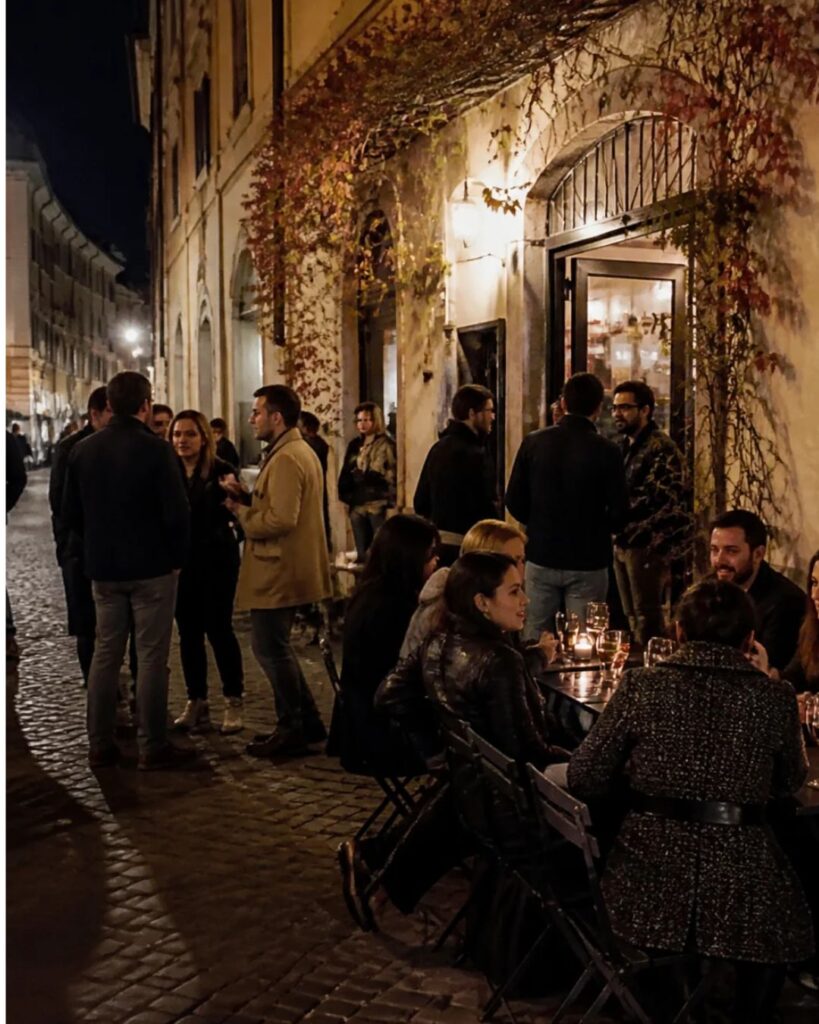
In Northern Europe or North America, an early dark evening might tempt you to hunker down indoors and call it a night. In Rome, however, dusk marks the beginning of the aperitivo ritual—and there’s no need to retreat indoors just because the sun has gone down.
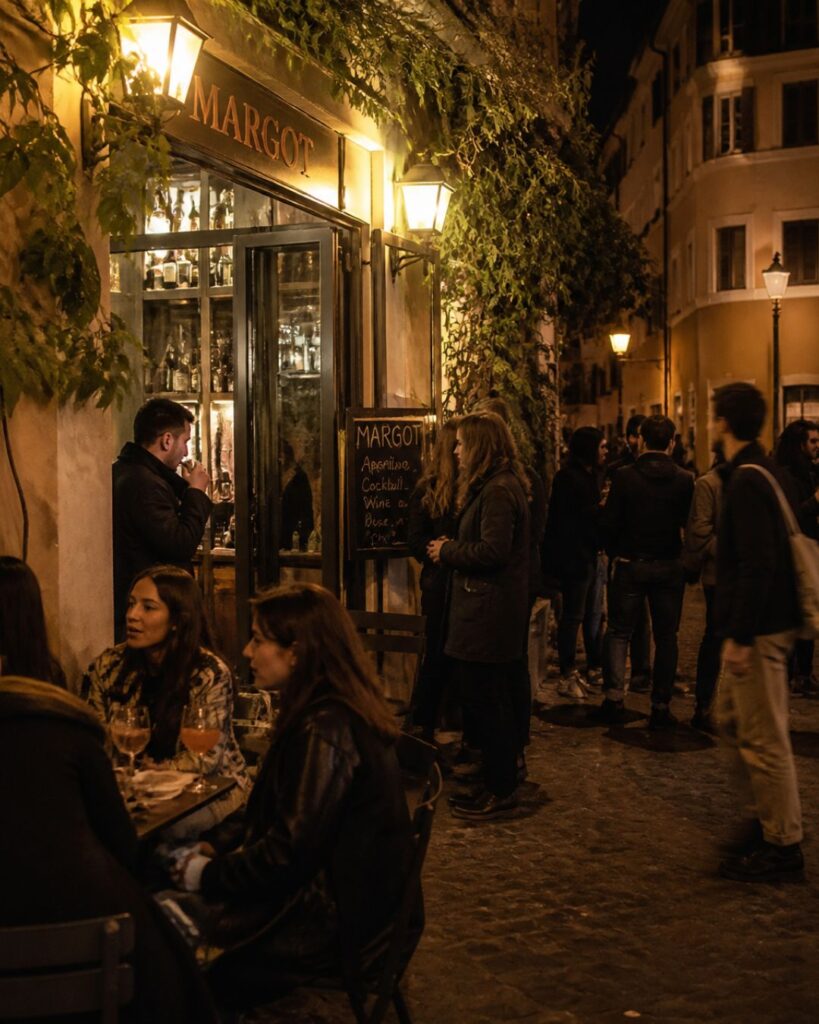
Rome’s winters are generally mild compared with those of many other European and North American cities. While colder evenings certainly happen, it’s still common to enjoy a drink outside, sitting at a café table or standing with friends around the entrance of a wine bar. In the historic center and lively nightlife neighborhoods, the streets are rarely deserted after dark. Outdoor terraces, busy bars, and people gathering for an aperitivo are all part of the city’s winter rhythm.
Instead of treating the hours between 5:00 PM and 8:00 PM as “dead time” before dinner, embrace them as a cultural experience:
Sink into a Wine Bar: Find an intimate enoteca in Monti or Campo de’ Fiori. Order a glass of Lazio wine, perhaps a Cesanese or a Frascati, accompanied by local cheeses and cured meats, and enjoy the slower pace as Romans unwind at the end of the day.
The Gelato Rule Doesn’t Expire: Yes, it’s cold outside, but enjoying a rich, artisanal gelato while wrapped in a wool scarf and strolling past glowing shop windows is a simple pleasure worth embracing in every season.
By anchoring your evening around these small, unhurried pleasures, you transform the long winter night from a hurdle into another part of the Roman experience.