Discover with us what to do and how to celebrate Carnival in Rome, one of the most heartfelt Italian festivities.
When February arrives in Italy, the air changes. The solemnity of winter gives way to a riot of color, the scent of fried sugar and the rhythmic sound of drums. It’s the Carnival, one of the most heartfelt celebrations with different traditions in each Italian region. While Venice – which hosts the most famous Italian Carnival – often steals the spotlight with its aristocratic masks, Carnival in Rome and the Lazio region offers something raw, historic, and deeply rooted in the “Roman spirit”.
In 2026, the peak of the festivities falls between Fat Thursday (February 12) and Shrove Tuesday (February 17). If you find yourself in the Eternal City or the surrounding hills of Lazio, follow our ultimate guise about Carnival in Rome and Lazio and find how to dive into the madness.
The Roman Carnival: a walk through history
In Rome, Carnival isn’t just an event; it’s a revival of the ancient Saturnalia. Historically, the celebrations centered around Via del Corso (once called Via Lata), where horse races and noble parades once dazzled the popes.
Where to celebrate Carnival in Rome
Today, the heart of Carnival in Rome comes alive in the city’s iconic piazzas. From Piazza Navona to Via del Corso and Piazza del Popolo, you’ll find street events, live performances, and neighbourhood festivities that bring the city’s historic streets to life.
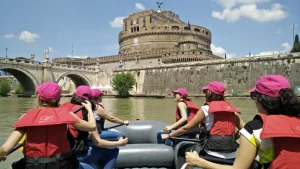
Along the Tiber River on February 14, the Tiber Carnival offers a playful experience with costumed walks, riverside activities, and parades heading toward Castel Sant’Angelo, complete with small prizes and surprises along the way.
For something truly unique, join the Carnival Skate at the Pincio on February 15, where participants don festive costumes and skate along the scenic paths of Pincio and Villa Borghese, blending activity with celebration for a fun and memorable way to enjoy Carnival.
Beyond the Eternal City: the best Carnivals in Lazio
If you want to experience the “true” spirit of Lazio’s Carnival, you must leave the capital and head into the provinces, where tradition is a serious business.
The Historic Carnival of Ronciglione
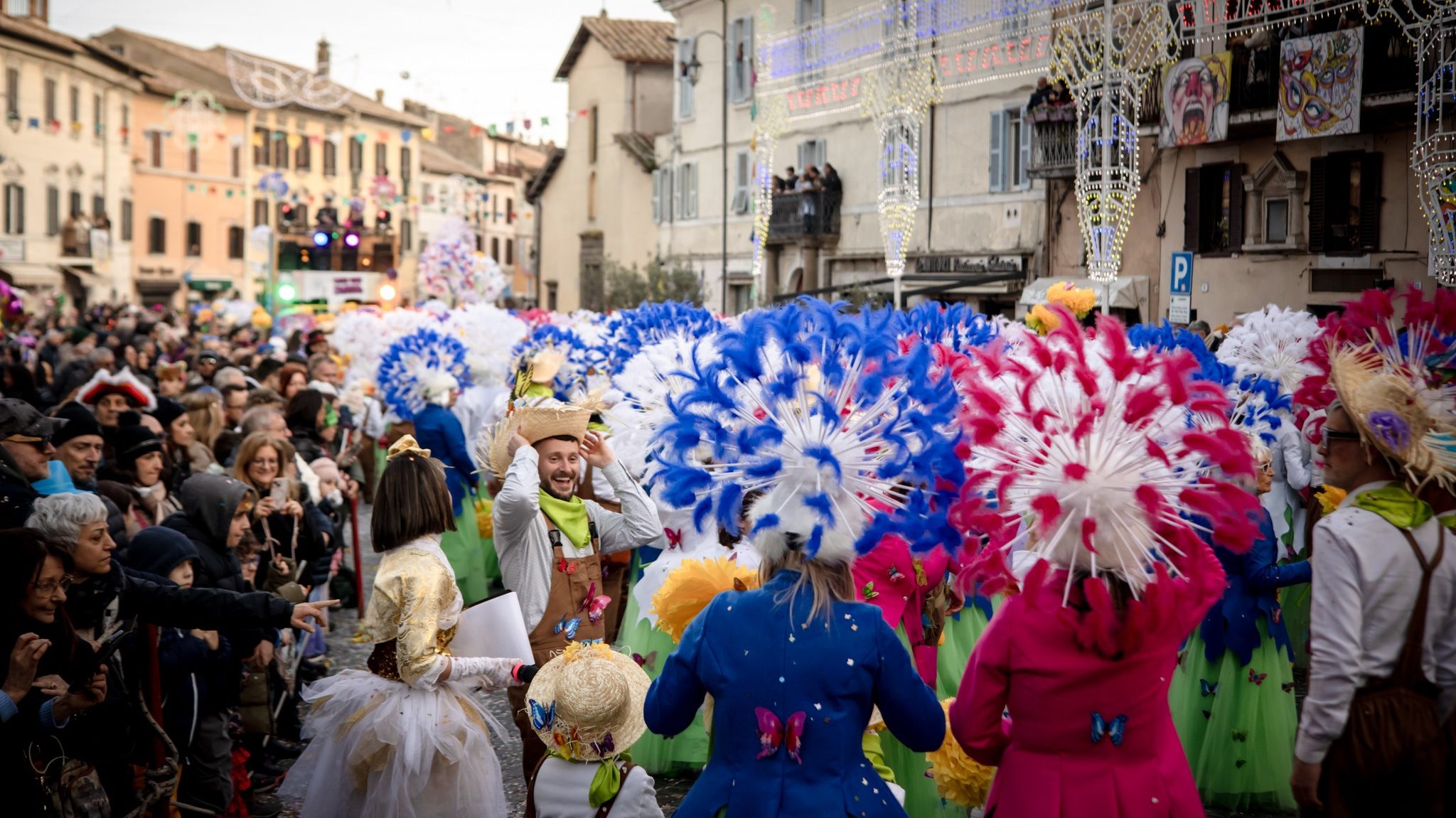
Widely considered one of the most beautiful in Italy, the Carnevale di Ronciglione is legendary. The main appointment of celebrations is The Corso di Gala: huge allegorical floats and over 1,000 costumed participants march through the medieval streets. On Shrove Monday, look out for the Nasi Rossi, a mask representing the “Society of Red Noses,” who “attack” bystanders with forks full of steaming rigatoni.
Carnival of Ronciglione 2026 main parades take place on February 1, 8, and 15.
The “Pulcinella” invasion: Carnival in Frascati
Just a short train ride from Rome, the elegant hilltop town of Frascati hosts one of the most spirited celebrations in the Castelli Romani. In 2026, the festivities kick off on February 1st with the Mayor handing over the keys of the city to Re Pupone (the King of Carnival), signaling the start of weeks of music and dance.
The undisputed protagonist here is Pulcinella. While originally Neapolitan, Frascati has adopted this mask with a unique twist: on Shrove Tuesday, hundreds of locals dressed as Pulcinella march in a mock “funeral procession.”
The event culminates in the dramatic cremation of a giant Pulcinella puppet in Piazza Marconi. As the puppet burns—symbolizing the end of winter and the “death” of life’s hardships—a spectacular firework display lights up the sky behind the majestic Villa Aldobrandini, turning the town into a glowing theatrical stage.
The feast of Ràdeca in Frosinone
In Frosinone, Carnival ends with the Festa della Ràdeca on Shrove Tuesday. Participants wave agave leaves (the ràdeca) and dance in a giant circle to celebrate the expulsion of French troops in the 18th century. It is loud, rhythmic, and incredibly immersive.
A taste of the feast: Carnival food
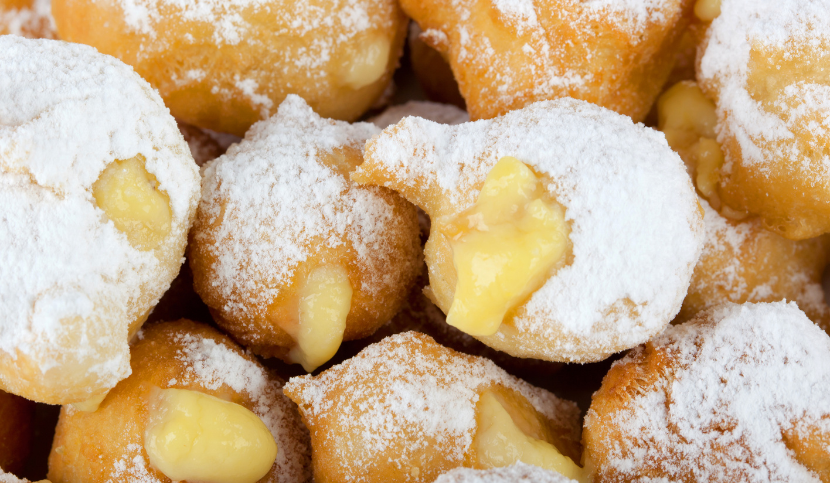
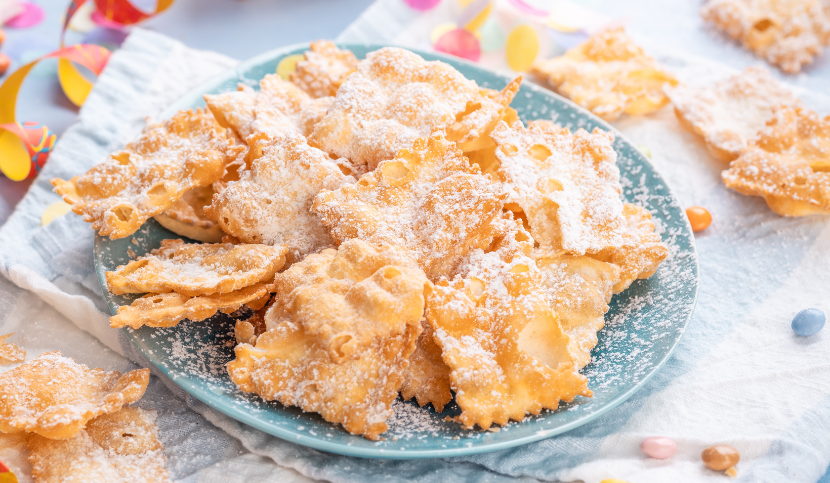
You cannot celebrate Carnival in Lazio without visiting a pasticceria. The season is defined by two main treats: frappe, a thin, crunchy ribbons of fried dough dusted with powdered sugar (known elsewhere as chiacchiere) and castagnole, small, soft dough balls, either plain or filled with ricotta or custard.
The faces of Rome: traditional Carnival masks
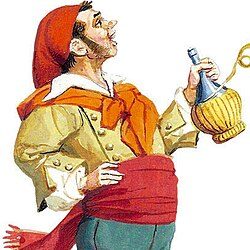
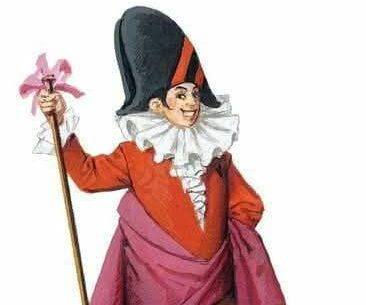
While Venice has its Harlequin, Rome boasts its own cast of characters born from the 16th-century Commedia dell’Arte and local puppet theaters. Two masks are the most famous and they represent the different “souls” of the city. Meo Patacca: the quintessential Roman neighborhood hero. He is a bold, quick-tempered, and swaggering character from Trastevere, usually dressed in a velvet jacket with a silk scarf tied around his neck. He represents the soul of the common people who aren’t afraid of a fight. Rugantino: perhaps the most beloved Roman mask, his name comes from the word ruganza (arrogance). Rugantino is a lovable rogue—a bit of a boaster who is often unlucky in love and prone to getting into trouble, but always with a witty remark ready to save face.
Seeing these characters today, often played by actors in the streets or depicted on historical floats, offers a direct window into the theatrical history of the Eternal City.