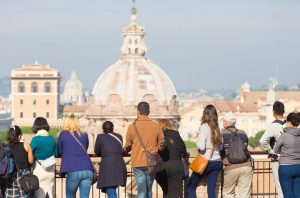
Picture this: you’re admiring the Trevi Fountain when a sudden ankle twist on Rome’s uneven cobblestones cuts your afternoon short, or perhaps intense Colosseum heat exhaustion or an unexpected case of food poisoning leaves you stranded in your hotel room.
If you get sick in Rome, an immediate wave of dread usually follows the physical pain, especially if you are an American traveler: How much will an ambulance cost? Will my travel insurance cover this? Am I about to face a $50,000 medical bill out of pocket?
Take a deep breath and relax. Italy operates under a universal healthcare system called Servizio Sanitario Nazionale. The Italian law treats emergency medical care as a fundamental human right, not a luxury business. You will be cared for, stabilized, and treated without going bankrupt. Here is your step-by-step guide to the Italian healthcare system and how to navigate the Eternal City if you’re sick.
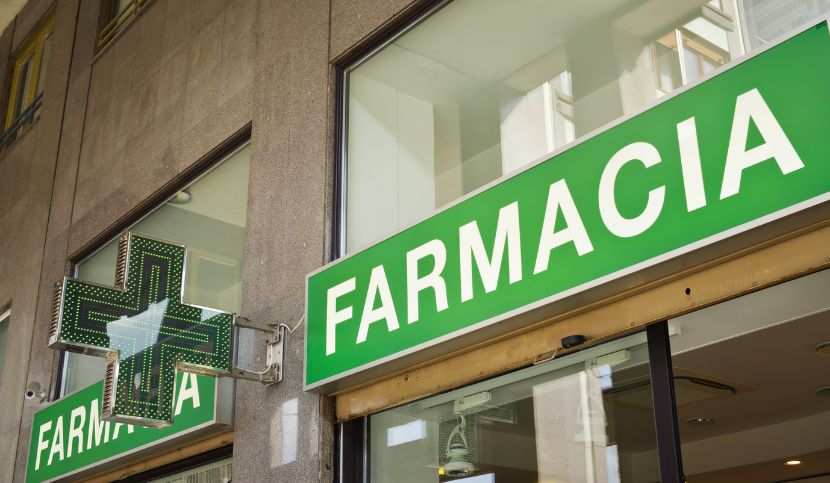
First line of defense: the Italian Farmacia
In the US, pharmacies are massive convenience stores where you grab over-the-counter painkillers off an open shelf alongside snacks and cosmetics. In Italy a pharmacy, easily spotted by the bright green illuminated cross, is a vital healthcare outpost.
- Your light emergency expert: Italian pharmacists hold advanced university degrees in pharmacology. For minor ailments such as mild sunstroke, digestive issues, bug bites, or seasonal allergies skip the clinic and walk straight into a pharmacy. The pharmacist will evaluate your symptoms behind the counter and recommend the exact treatment you need.
- Over-the-counter rules: You won’t find basic medications like ibuprofen or acetaminophen in supermarkets or corner shops, every medication must be requested directly from the pharmacist.
- Pro-tip for US travelers: Bring a photo of your standard home medications on your phone. Italian pharmacists won’t recognize US brand names like Tylenol, Advil, or Pepto-Bismol. Instead, show them the active ingredient (e.g., Paracetamol for Tylenol, Ibuprofen for Advil), and they will provide the exact Italian equivalent (like Tachipirina).

After hours and non-emergency Illness: the Guardia Medica
What if you wake up at 11:00 PM with a high fever or an ear infection? It isn’t a life-threatening emergency, but you shouldn’t wait until morning either.
Instead of overcrowding an emergency room, use the Guardia Medica (on-call out-of-hours medical service). Italy provides dedicated doctor call-outs and non-emergency medical stations (Guardia Medica Turistica) for travelers. Fully licensed physicians are available evenings, nights, and weekends to examine you, write prescriptions or offer medical advice for a very small nominal fee.
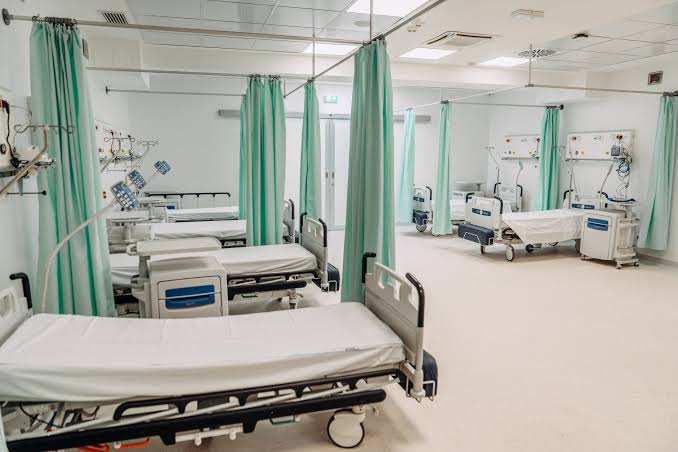
Real emergencies: Italian public hospitals
If you suffer a severe injury, chest pain, or a major trauma, head directly to a public hospital’s emergency department, known as the Pronto Soccorso.
- Universal care: emergency stabilization and life-saving care are free for everyone on Italian soil, regardless of citizenship or insurance status.
- The triage system: patients are treated based on medical urgency, not financial status. Upon arrival, a triage nurse assigns a color-coded priority tag (from white/green for minor issues up to red for critical life-threats).
- The real cost: you will not receive a staggering five-figure invoice for an ambulance ride, X-ray or overnight bed. Minor non-urgent conditions (White/Green codes) may incur a small administrative fee (ticket) ranging from €25 to €50, but critical care is entirely covered by the public system.
The only emergency number you need: 112
If you need immediate dispatch of an ambulance, police or fire department, dial 112.
112 is the European equivalent of 911. The operators speak English, they can automatically locate your call, and will quickly route you to the appropriate medical emergency service.
Quick cheat sheet for US travelers in Rome
- Emergency calls: dial 112 (English operators available).
- Minor ailments: visit a green-cross pharmacy and ask for the active ingredient.
- After-hours/weekends: call the guardia medica for non-emergency doctor visits.
- Severe emergencies: head to the nearest pronto soccorso (Public Hospital ER).