Rome is a living museum. One minute you’re staring at the majestic Colosseum, and the next, you’re indulging in front of the Michelangelo’s masterpiece dome in Vatican City. But Rome is also a huge city one of the biggest in Europe and by consequences locals and tourists must pay attention about their personal effects. In effect, as any savvy traveler knows, exploring a bustling global capital requires a little bit of street smarts.
Is Rome a safe city? Absolutely. Is it immune to typical big-city quirks and petty crimes? Not at all. To help you navigate the cobblestones like a pro, here is our ultimate, security and transit guide for your Roman holidays.
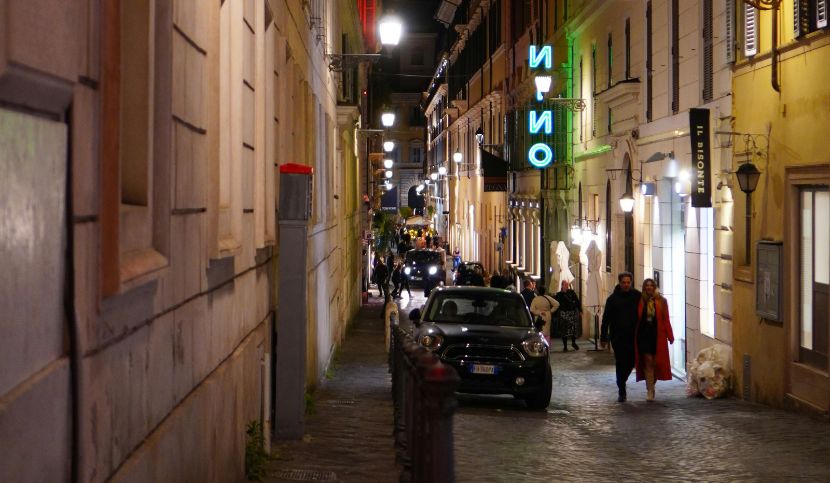
Is Rome safe at night? what to expect after dark
Generally speaking, Rome is a safe city to explore after the sunsets. The popular nightlife hubs like Trastevere, Campo de’ Fiori, and the Monti district are packed with locals and tourists alike, creating a vibrant, well-lit, and communal atmosphere.
However, standard travel vigilance applies, so our suggestion is to stay in populated areas, wandering down dimly lit, deserted alleys isn’t ideal in any major city. The area immediately surrounding the central train station (Stazione Termini) can feel sketchy late at night. While heavily policed, it tends to attract loiterers. If your hotel is nearby, stay alert and stick to the main avenues. Walking alone is perfectly fine, but keep your wits about you, avoid excessive alcohol, and use licensed transport if it’s past midnight.
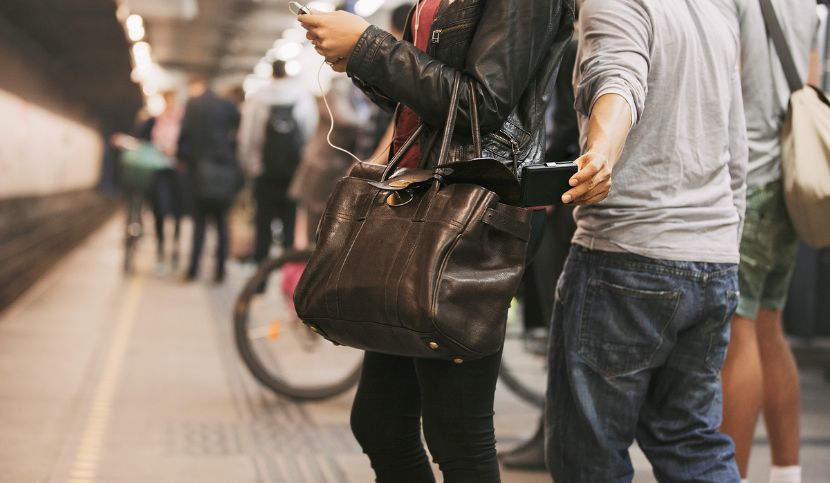
Navigating Rome’s subways: the pickpocket problems
Violent crime in Rome is incredibly rare, but petty theft is an art form for a select few. The most common hotspot? The Rome Metro, specifically the crowded Line A which services the Vatican and Trevi Fountain and Termini Station. Pickpockets in Rome rarely look like movie villains, they often operate in groups, sometimes disguised as pregnant women or well-dressed tourists. They rely on distraction.
Our suggestion is to be highly alert when boarding a crowded train. Thieves love to create a bottleneck at the carriage doors, bumping into you while their partner slips a hand into your pocket. In addition, never put your phone or wallet in your back pocket.Wear backpacks on your front while inside the station and on the train and use bags with secure zippers, and hold your hand over the clasp in tight crowds.
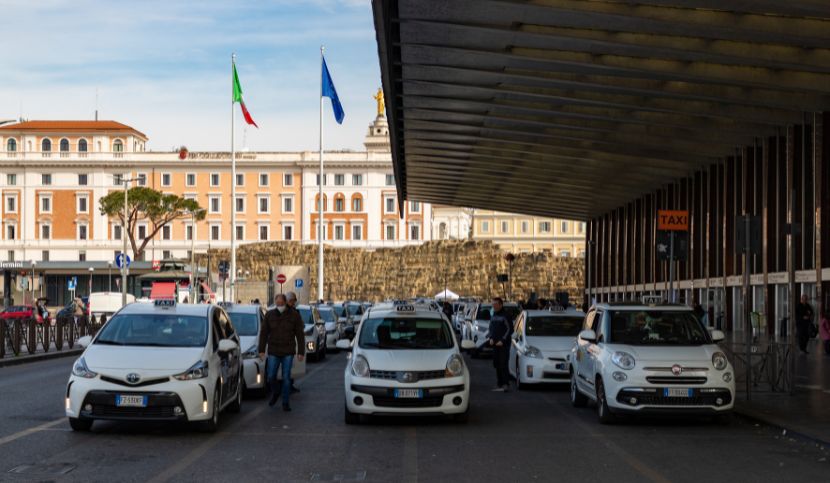
Getting around: Uber in Rome vs. local taxis
When your feet give out from walking, you’ll need a ride. But should you open your favorite ridesharing app or hail a classic white cab? Unfortunately no. Standard UberX does not exist in Rome due to local transport regulations. When you open Uber, you are summoning Uber Black or Uber Lux licensed, professional drivers in sleek black Mercedes. It is incredibly reliable and comfortable, but it comes at a premium price.
Official Rome taxis are white, have a “TAXI” sign on the roof, and display the emblem of the Comune di Roma on the front doors. Don’t hail them on the street: taxis usually won’t stop. Instead, walk to a designated Taxi Ranks, these areas are located near major squares and attractions or use the FreeNow app. Ensure the driver turns on the meter when you start, or confirm the fixed rate if you are traveling to/from Fiumicino (50euro) or Ciampino (35 euro) airports. Card payments are legally required, but always carry a little cash just in case the “machine is broken.”
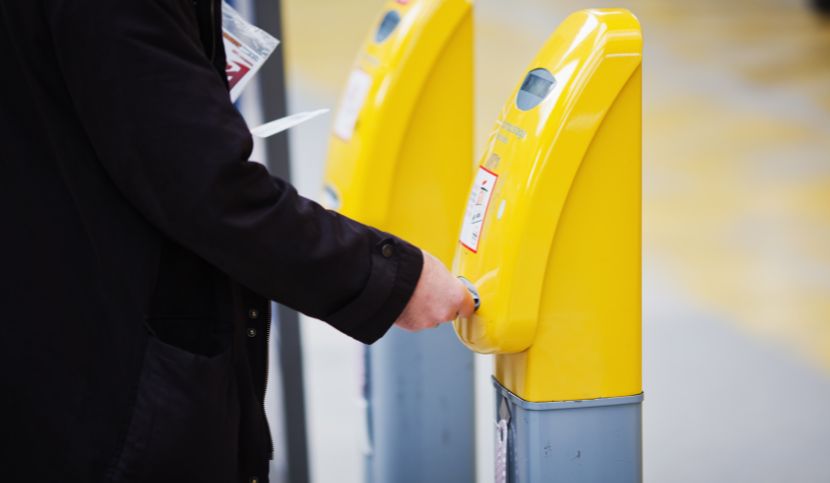
Mastering Italian trains: the golden rule of ticket obliteration
Planning a day trip to Florence or Pompeii? Italy’s rail network, Trenitalia, is fantastic. But there is one major bureaucratic trap that catches thousands of tourists every year: ticket obliteration (validation).
If you buy a regional paper train ticket at a station kiosk, it does not have a specific time or date printed on it. To prevent people from reusing the same ticket forever, you must validate it before stepping onto the train. Look for the small green, white, or yellow stamping machines on the platforms or in the station hallways, insert your ticket into the slot until you hear it stamp a date and time code onto the edge. Remember that if a conductor catches you with an unstamped paper ticket, you will face an immediate, non-negotiable fine of up to 50euro or more. If you purchase a high-speed digital ticket (Frecciarossa or Italo) online with a specific seat assignment, validation is not required!
By staying aware of your surroundings, securing your belongings, and knowing the local transit rules, you can focus on what truly matters: soaking in the magic of Rome and Italy as well.