Discover with us what you need to know about winter in Rome if you travel during the Christmas season
Travelling to Rome during the Christmas season and winter time offers an experience unlike any other. The Eternal City combines millennia of history with profound religious tradition and vibrant Italian warmth.
But visiting during the holidays requires a bit of savvy planning! To help you swap stress for a winter vacation in the Eternal City, here there is an essential guide with everything you need to know about weather, closures, events, and food for your festive Roman holiday.
Weather during the winter in Rome
While Rome avoids the deep freezes of Northern Europe, December and January still bring cool, crisp weather. The average daytime temperature hovers between 5C and 13C. It’s generally comfortable for walking, especially during sunnier spells, but be prepared for occasional rainfall.
Our suggestion is to pack in layers: essential items include a warm, waterproof coat (a trench or puffer works well), gloves, a scarf, and a hat for the chilly evenings. In addition, bring waterproof, comfortable walking shoes Rome’s cobblestones can be slick when wet, and you’ll be doing a lot of walking!
Bank holidays and closures
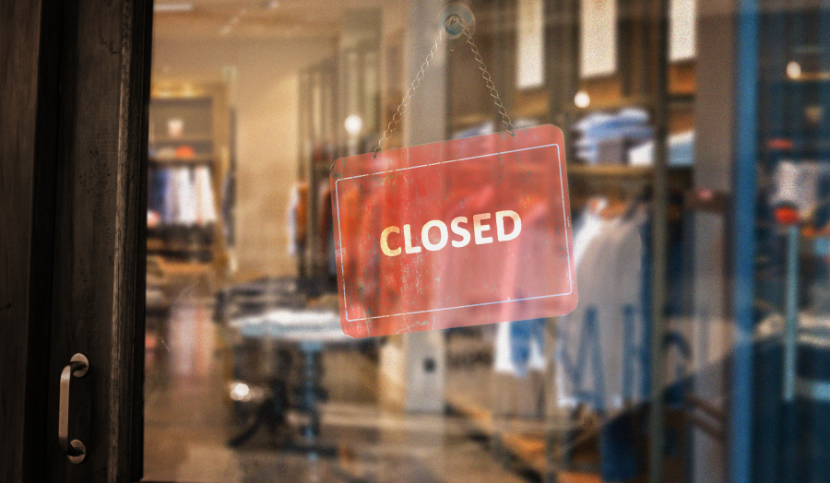
The festive season includes several important national and religious public holidays (giorni festivi) when closures affect banks, offices, and even major tourist sites.
The most significant holiday dates to note are:
- December 8th (Feast of the Immaculate Conception), which it is the unofficial start of the Christmas season. Most banks/offices are closed.
- December 24th (Christmas Eve), many shops, banks, and museums close early (often around 2:00 PM to 6:00 PM).
- December 25th (Christmas Day): most tourist attractions, museums (including the Vatican Museums), and shops are completely closed, in addition transportation runs on a reduced schedule.
- December 26th (St. Stephen’s Day/Santo Stefano), a national public holiday, many smaller shops and offices remain closed, but major attractions may reopen with reduced hours.
- December 31st (New Year’s Eve), many activities and attractions may close earlier than usual (often around 2:00 PM to 6:00 PM).
- January 1st (New Year’s Day) is a public holiday, with widespread closures affecting banks, offices, shops, and some tourist sites.
- January 6th (Epiphany/La Befana) is a religious holiday celebrated throughout Italy, particularly in Rome, and many smaller businesses close while major attractions often remain open with limited hours.
As general travel tip the Colosseum, Roman Forum, and major state museums are almost always closed on December 25th and January 1st, don’t forget to plan your visits for other days and book tickets well in advance for the days they are open.
Religious events: the heart of a Roman Christmas
Rome’s biggest draw during the holidays is the profound, historic religious calendar centered around Vatican City. The most significant services are usually led by the Pope, drawing massive crowds. Christmas Eve Mass, on December 24th: traditionally held in St. Peter’s Basilica. Note that the Mass typically starts earlier than midnight (e.g., 7:30 PM or 9:30 PM). Tickets are free but extremely hard to get and must be requested months in advance. You can usually watch the Mass on large screens in St. Peter’s Square.
Urbi et Orbi Blessing on December 25th: at noon on Christmas Day, the Pope delivers the traditional “To the City and the World” blessing from the central loggia of St. Peter’s Basilica. This is free to attend in St. Peter’s Square and is an unforgettable experience.
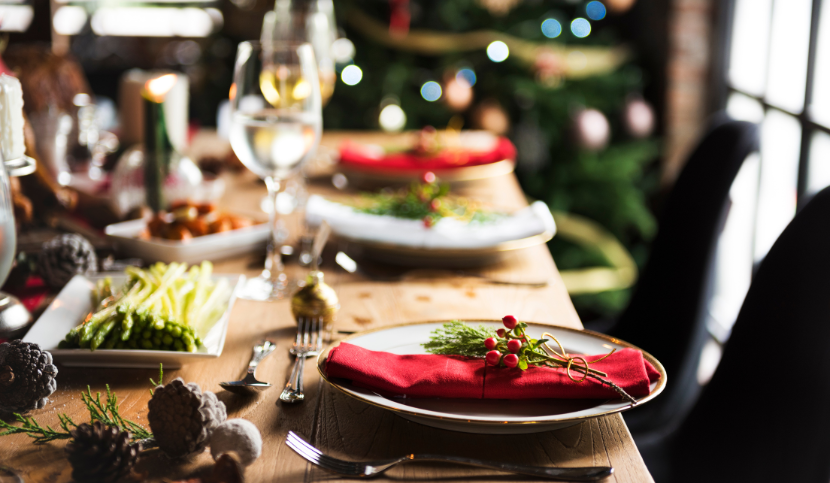
Culinary Traditions: eating like a Roman
Christmas in Rome is a festival for the taste buds, following a strict, delicious schedule. Christmas Eve Dinner, the so called in Italian La Vigilia. In accordance with Catholic tradition, Christmas Eve dinner is traditionally meatless. Roman families focus on seafood: starters with Fritto misto, a mix of deep-fried vegetables and fish, like battered cod baccalà and the main course with pasta with clams or an oven-roasted whole fish.
The Christmas Day lunch is the big feast, featuring hearty meat dishes: first course often cappelletti or ravioli (meat-filled pasta) served in a rich broth (in brodo), or a baked pasta like lasagna and a second course typically features roasted meats like lamb (abbacchio) or capon (cappone), served with roasted potatoes.

The golden Roman cake
In Rome the meal always ends with panettone and pandoro, the famous ubiquitous Italian Christmas cakes, but keep an eye out for a local, ancient speciality, it is so called Pangiallo a particular sweet which Roman use to eat for the winter solstice since the Ancient Roman time. The pangiallo, literally meaning “yellow bread,” this is Rome’s most historic Christmas dessert.
Dating back to Imperial Roman times, the round, golden-crusted cake—made with honey, nuts (almonds, walnuts, hazelnuts), candied fruit, and often a hint of chocolate or saffron glaze—was originally a solstice tradition to wish for the sun’s return. Our suggestion is to seek it out in local, artisanal bakeries for an authentic taste of Roman history.