Discover with us the best archaeological underground Roman sites with a journey through Rome’s hidden depths.
Millions of tourists every year discover the grandeur of the Colosseum, the spiritual majesty of the Vatican, and the bustling charm of its piazzas and districts. Yet beneath the cobblestones lies another Rome: a hidden world of ancient secrets, forgotten pathways, and astonishing discoveries. For adventurous travelers seeking an experience beyond the usual tourist trails, venturing into Rome’s underground is an absolute must.
While many know about the famous catacombs, Rome’s subterranean also offers lesser-known, equally fascinating sites. These secret underground sites provide a unique perspective on the city’s continuous evolution, layer upon layer, through millennia, and they deserve a visit during a vacation in Rome.
In this, our ultimate guide, you will find some of the most captivating “secret” underground sites that should be on every curious traveler’s itinerary. Prepare to descend into the past of ancient Rome, and let’s find out together the best underground sites to visit in the Eternal City.
Rome underground: Roman Houses of the Caelian Hill
Sited beneath the Basilica of Saints John and Paul, these remarkably preserved Roman houses offer a vivid glimpse into the domestic life of wealthy Romans from the 2nd to the 4th centuries AD.
Imagine walking through intricately painted rooms, past delicate mosaics, and discovering the surprising luxury of ancient Roman living. It’s a truly intimate encounter with history. The Roman Houses of the Caelian Hill are located close to the Colosseum, but far from the madding crowds of Rome’s iconic monument.

The Mithraeum of Circus Maximus
Beneath the modern-day heart of Rome, under the colossal Circus Maximus, lies a hidden Mithraic temple. The cult of Mithras, a mysterious and secretive religion popular among Roman soldiers, left behind atmospheric sanctuaries like this one.
Descend into the gloom and discover the central relief depicting Mithras slaying the bull – a powerful and enigmatic symbol of this ancient faith. It’s a journey into the spiritual underworld of Imperial Rome. The Mithraeum of Circus Maximus is located close to the Palatine Hill and the Tiber River.
The Aqua Virgo Aqueduct
Just a corner’s throw from the Trevi Fountain, this archaeological site reveals the intricate engineering behind Rome’s ancient water supply. Explore the remnants of a 1st-century AD insula (apartment building) and, most fascinatingly, witness a section of the Aqua Virgo aqueduct still flowing with water today!
It’s a remarkable testament to Roman ingenuity, and the Aqua Virgo Aqueduct offers a unique perspective on how Rome was watered in antiquity and how it still works for the most famous Roman fountain abroad, the Trevi Fountain.
Temporarily closed for renovation – check back soon to explore this unique site!
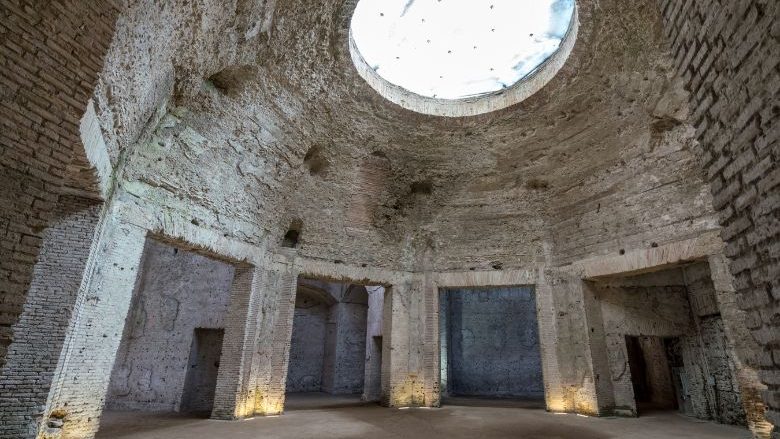
The Domus Aurea
While not entirely “secret” anymore, access to parts of Nero’s opulent and controversial palace is still restricted and often requires pre-booking. This sprawling complex, built after the Great Fire of Rome, was a testament to Nero’s extravagance.
Descend into its vast, painted rooms and marvel at the sheer scale of this imperial dream, which lay buried for centuries. The Domus Aurea, also known as the Golden House of Emperor Nero, is an incredible opportunity to walk in the footsteps of one of Rome’s most infamous emperors.
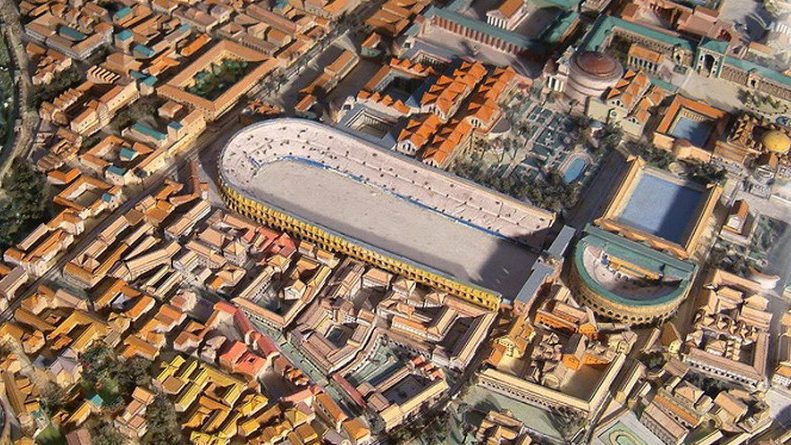
The Stadium of Domitian
While Piazza Navona is famous for the incredible masterpieces made by the two Baroque geniuses during the Italian Renaissance, Borromini and Bernini, beneath its surface lies the ancient Stadium of Domitian, the very arena upon which the piazza was built.
Explore the remains of the ancient track and seating, gaining a fascinating understanding of the original form and function of this iconic Roman space. In fact, this place totally represents how Rome has been built in layers.
🤔Piazza Navona or Stadio di Domiziano?!?
Tips to visit Underground Roman sites
Many of these underground sites have limited access and require pre-booking, especially during peak season. Check official websites for opening hours and reservation procedures. Even though exploring Rome’s underground is not difficult or dangerous, our suggestion is to wear comfortable shoes. You’ll be doing a fair amount of walking, and some surfaces can be uneven. In addition, check the accessibility: some underground sites may have limited accessibility for those with mobility issues.
Rome’s secret underground offers a truly unique and unforgettable journey into the heart of its ancient past. So, descend into the depths, and prepare to be amazed by the hidden wonders that lie beneath the Eternal City.